
Finding machinery trader parts worldwide is no longer a simple catalog search. It requires verified suppliers, accurate specifications, and practical logistics.
Off-Highway Research reported that global construction equipment sales exceeded one million units in 2023. This installed base creates continuous demand for engines, hydraulic pumps, tracks, filters, and electronic controls. The 2024 Deloitte Global Automotive Supplier Study also highlights growing pressure on suppliers to improve digital visibility, delivery reliability, and aftermarket support. These findings matter to buyers searching for machinery trader parts across multiple markets.
Quality comes before distance. A low-cost component may become expensive after customs delays, incorrect measurements, or missing serial-number records. Check the machine model, production year, part number, operating hours, warranty terms, and return conditions. Request clear photographs. Ask for test reports when buying used engines or hydraulic assemblies. Small details prevent large losses.
Caterpillar Chairman and CEO Jim Umpleby has said, “Our customers count on us to help them build a better world.” That expectation applies to every parts transaction. A reliable trader should explain origin, condition, compatibility, and delivery limits without vague promises. Industry marketplaces can widen access, but they do not remove the need for inspection. That part is easy to underestimate.
This guide examines supplier directories, dealer networks, auction platforms, regional warehouses, and international freight options. It also considers currency risk, documentation, and after-sales support. No global sourcing route is perfect. Sometimes, the nearest verified part beats the cheapest overseas listing.
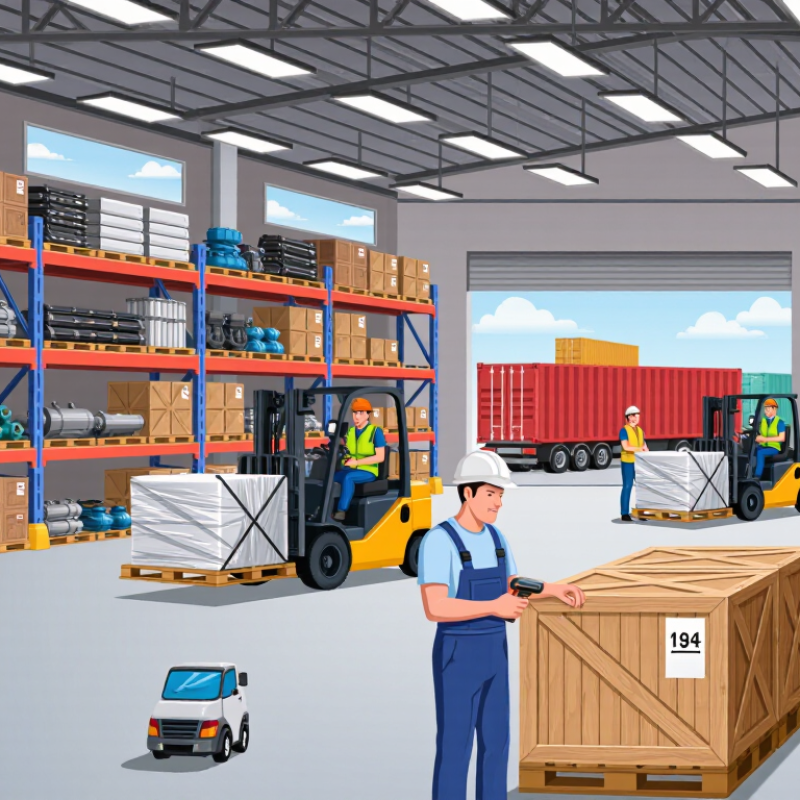
Machinery trader parts are replacement or service components sold through equipment dealers, dismantlers, and independent suppliers. They support excavators, loaders, agricultural machines, cranes, and industrial systems. Applications range from hydraulic repairs to routine engine maintenance. A damaged seal, worn track roller, or cracked cooling hose can stop a machine quickly.
Experienced buyers identify the part by serial number, model year, dimensions, and technical function. Photos help, but they are not enough. Measure bolt spacing, shaft diameter, thread type, and connector shape before contacting a supplier. I once assumed two visually similar filters were interchangeable. They were not. Small differences caused poor fitting and unnecessary downtime.
Reliable worldwide sourcing requires clear documentation. Ask for material specifications, test records, compatibility information, and the part’s condition. New, refurbished, and used components have different risks and service expectations. Check packaging quality, storage history, warranty terms, and estimated delivery time. Confirm whether the supplier can provide export documents and compliant shipping arrangements for your destination. Independent inspection is useful for expensive hydraulic pumps or transmission assemblies. It costs more, sometimes. Yet a failed part can create larger repair expenses, delayed work, and safety concerns. Keep a record of supplier responses, measurements, and installation results. That record improves future purchasing decisions, although it may reveal that an earlier choice was based too heavily on price.
How to Find Machinery Trader Parts Worldwide?
Finding the correct machinery part begins with evidence, not guesswork. Record the complete part number from the plate, casting, or service document. A single missing digit can produce an unusable replacement. Note the machine model, production year, serial range, and engine configuration. These details often determine whether two similar components actually fit. Measure bolt spacing, shaft diameter, thread type, and mounting depth when possible. A photograph helps, but it can hide wear and internal differences.
I once trusted a matching model name and ordered the wrong hydraulic seal. The dimensions looked close, yet the pressure rating was unsuitable. That mistake showed me why equipment specifications matter more than appearance. Compare technical drawings, material requirements, operating temperature, and connection standards. Ask the supplier for clear images, dimensional confirmation, and documentation showing the part’s condition. Experienced traders should explain uncertainty instead of promising a perfect match without inspection. Check packaging labels and invoices carefully when parts cross borders.
Tips: Keep a searchable parts record. Include photos, measurements, serial details, and previous replacements. Mark every measurement with its unit. Confirm whether the listed number is current, superseded, or interchangeable. If the seller cannot verify compatibility, pause the purchase. A short call with a qualified technician may prevent costly downtime. Also, remember that refurbished parts can vary significantly. Request inspection notes, tested functions, and return terms before payment. Safety-related components deserve extra verification, even when the machine appears simple.
How to Find Machinery Trader Parts Worldwide?
Finding machinery trader parts worldwide starts with comparing several supplier channels. Global suppliers often provide wider inventories and competitive prices. Ask for exact part numbers, equipment models, production years, and serial-number compatibility. A clear photo can expose differences in threads, fittings, or mounting holes.
Online marketplaces help locate rare components and used assemblies. Review seller histories, product photos, return terms, and inspection reports carefully. Request videos showing the part operating when practical. However, listings can contain incomplete measurements or outdated stock information. I once found a suitable-looking component that lacked one critical dimension. It was not usable.
Authorized dealers usually offer stronger technical support and traceable documentation. They can confirm revisions, installation requirements, and applicable safety standards. Contact their parts department with detailed machine information. Independent suppliers may still be reliable, especially when they provide testing records and written warranties. Ask about material grades, refurbishment methods, packaging, and estimated delivery dates.
Check shipping terms, customs paperwork, and local import requirements before paying. Use secure payment methods and keep every quotation, message, and inspection image. A small mismatch can cause expensive downtime. Do not rely only on a low price. Reliability matters more. My process still needs improvement, because urgent purchases can shorten careful supplier checks. A second review often catches overlooked risks.
| Sourcing Channel | Typical Geographic Coverage | Best-Suited Parts | Typical Condition | Common Lead Time | Main Cost Factors | Recommended Verification |
|---|---|---|---|---|---|---|
| Authorized Dealer Networks | North America, Europe, Asia-Pacific, Latin America, and the Middle East | Safety-critical components, electronic control units, hydraulic assemblies, and service kits | New, genuine, and supported by formal documentation | Same day to several weeks, depending on warehouse stock | Part price, regional freight, taxes, and expedited shipping | Confirm the part number, machine serial-number range, warranty terms, and official authorization |
| Independent Parts Distributors | Strong coverage in Europe, North America, India, Southeast Asia, and Australia | Filters, belts, seals, bearings, hoses, undercarriage items, and routine maintenance parts | New aftermarket, surplus, or reconditioned | One to ten business days for stocked items | Material quality, compatibility, order volume, and shipping distance | Request technical specifications, dimensions, material grade, country of origin, and return policy |
| Global B2B Marketplaces | Worldwide, with higher supplier density in East Asia, Europe, and North America | High-volume consumables, fabricated parts, replacement assemblies, and hard-to-source items | New, aftermarket, surplus, used, or custom-made | One to eight weeks, including production and international transit | Minimum order quantity, tooling, customs, inspection, and transport mode | Check supplier history, product drawings, sample approval, payment protection, and pre-shipment inspection |
| Used-Equipment and Salvage Yards | North America, Europe, Australia, and regions with large used-equipment fleets | Engines, transmissions, axles, hydraulic pumps, cabs, attachments, and structural components | Used, tested, rebuilt, or sold for dismantling | Three days to four weeks, depending on testing and dismantling | Condition, operating hours, dismantling labor, packaging, and freight size | Request operating-hour records, inspection videos, test results, serial numbers, and a written core-return policy |
| Specialized Remanufacturers | Europe, North America, East Asia, and established industrial service hubs | Hydraulic pumps, motors, injectors, starters, alternators, transmissions, and electronic modules | Rebuilt to tested specifications, often with exchange-unit options | One to six weeks, depending on core availability and repair workload | Core condition, testing, machining, calibration, and refundable core charges | Verify test reports, replacement components, calibration standards, warranty length, and core requirements |
| Regional Machine Shops | Available in most industrial regions; especially useful near ports and manufacturing clusters | Bushings, shafts, brackets, pins, guards, adapters, and non-safety-critical fabricated parts | Newly manufactured to drawing or reverse-engineered sample | One to six weeks, depending on complexity and material availability | Engineering time, material, machining tolerance, heat treatment, and quantity | Supply drawings, critical tolerances, material certificates, inspection reports, and a first-article sample |
| Equipment Auction Platforms | North America, Europe, Australia, and selected emerging markets | Complete machines for dismantling, attachments, spare assemblies, and surplus inventory | Used; condition varies from operational to non-running | One to six weeks after payment, inspection, and collection arrangements | Winning bid, buyer fees, loading, inland transport, export documents, and storage | Review inspection notes, photos, machine hours, title documents, removal deadlines, and buyer obligations |
| Direct Fleet and Contractor Sales | Local, regional, and cross-border markets where contractors rotate equipment fleets | Low-hour components, attachments, maintenance stock, and parts removed from retired machines | Used, serviceable, or unverified surplus | Several days to three weeks | Inspection travel, removal labor, local transport, and limited after-sales support | Inspect in person or use an independent inspector; confirm ownership, hours, compatibility, and payment terms |
Finding machinery trader parts worldwide requires more than comparing listing prices. I match part numbers, machine models, production years, dimensions, and connector details. Clear photos reveal worn splines, cracked housings, and missing seals. Ask for test records, inspection dates, and return conditions. New parts provide predictable wear life. Used parts cost less, but hidden refurbishment can erase savings. My mistake was trusting a clean photo. Internal valve corrosion remained invisible.
Quality needs evidence, not confident wording. The World Bank’s 2023 Logistics Performance Index evaluates 139 economies across customs, infrastructure, shipment pricing, logistics competence, tracking, and timeliness. Use it as a country-level signal, not proof of one seller’s reliability. Confirm stock physically, because “available” may mean supplier access, not warehouse possession. Request a backup option.
Shipping changes the final price sharply. UNCTAD’s Review of Maritime Transport 2023 states that over 80% of global merchandise trade by volume moves by sea. Sea freight suits heavy components and flexible schedules. Air freight is faster, but dimensional weight can be painful. Compare door-to-door quotes, insurance, export packing, destination handling, customs fees, and estimated duties. Include delivery time. A cheap part that arrives six weeks late may stop an entire machine. I still underestimate packaging risks sometimes. Metal edges need bracing, moisture protection, and readable labels.
Finding machinery trader parts worldwide is easy; finding a dependable seller takes patience. In my sourcing work, I match the part number, machine model, production year, and operating hours. Clear photos matter, especially for teeth, hydraulic fittings, seals, and electrical connectors. I ask for measured dimensions, wear notes, and a written availability date. A professional seller answers specific questions and admits uncertainty. That matters.
Before payment, I verify business registration where available, physical address, trade references, and independent reviews. I request an invoice listing condition, quantity, currency, shipping terms, and return conditions. Never rely on chat promises alone. Use traceable payment methods with buyer protection when possible. For expensive assemblies, a video inspection or independent check can prevent costly mistakes. I once accepted a vague “good condition” description; the delivered component needed extra refurbishment. That was avoidable.
Delivery planning starts before checkout. Confirm package weight, dimensions, shipping documents, customs information, and the receiving warehouse’s opening hours. Choose tracked transport and insure valuable parts against loss or damage. Ask for photos of the packed crate before collection. Use shock indicators for delicate controls, and keep labels visible. On arrival, photograph the crate before opening, then compare serial numbers and quantities with the invoice. Delays happen. Build buffer days. Some sellers quote dispatch dates, not arrival dates, and I have underestimated port congestion. A shared tracking sheet helps coordinate mechanics, freight agents, and purchasing staff.