...

2026 Top Machinery Parts Types Global Buyers Need?

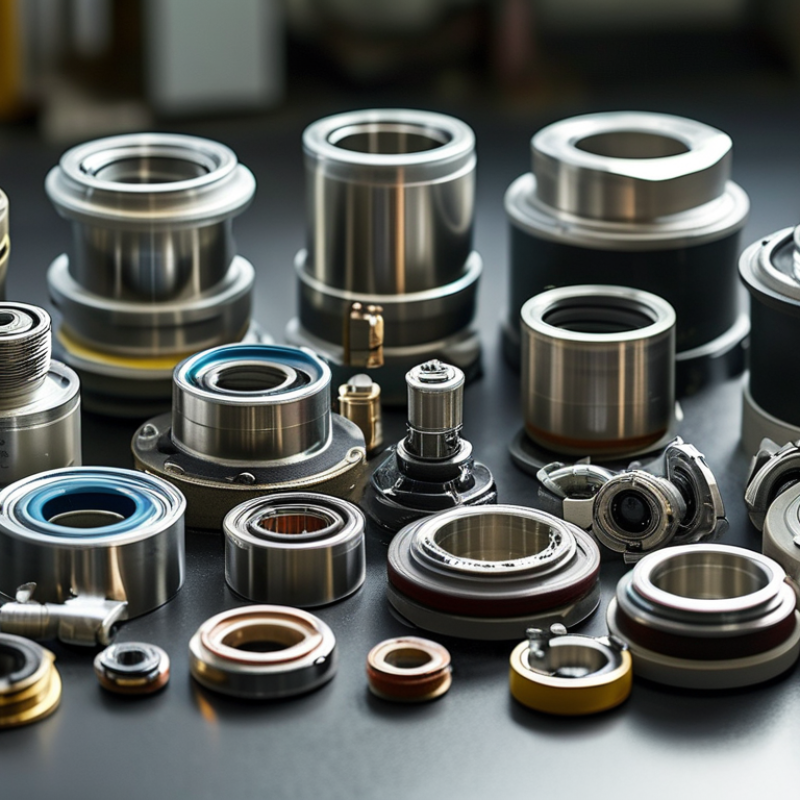
As global industries enter 2026, buyers are seeking machinery parts that support uptime, safety, and predictable maintenance costs. The most requested categories include bearings, hydraulic pumps, seals, gears, filters, sensors, belts, couplings, and wear-resistant cutting components. Each part influences machine performance differently. A failed bearing may create vibration, while a damaged seal can cause contamination, pressure loss, and costly downtime.

Procurement teams increasingly compare more than price. They examine material grades, load ratings, dimensional accuracy, operating temperatures, and compatibility with existing equipment. OEM manuals, inspection records, and recognized quality systems can help verify supplier claims. For hydraulic systems, buyers may request flow-rate data and pressure-test results. For electrical components, voltage ranges, ingress protection, and certification records deserve careful review. Small details matter.

Predictive maintenance is also changing demand. Sensors, condition-monitoring devices, and replacement kits are becoming practical choices for factories with limited maintenance staff. However, digital features cannot replace correct installation. A precise part still fails when alignment is poor or lubrication is neglected. No list is perfect. Some buyers may overstock common items while missing a simple, machine-specific gasket.

This guide examines the machinery parts types global buyers may prioritize in 2026. It connects purchasing decisions with real maintenance conditions, supply reliability, documentation, and total operating value. The goal is not to promote one supplier or product. It is to help buyers ask better questions, verify evidence, and select parts that perform beyond the catalog page.

2026 Top Machinery Parts Types Global Buyers Need?

What Are the Main Types of Machinery Parts in 2026?

In 2026, machinery buyers will need several core parts to maintain production, safety, and repair speed. Power transmission parts remain essential. These include gears, shafts, couplings, chains, belts, and bearings. A worn bearing can create heat, vibration, and unexpected downtime within hours.

Hydraulic and pneumatic parts form another major group. Pumps, valves, cylinders, hoses, fittings, and air treatment units control movement and pressure. Buyers should check flow ratings, operating temperatures, seal materials, and connection sizes before ordering. Small differences can cause leaks or poor machine performance. Seals and gaskets deserve careful attention. They often look simple, yet they protect expensive assemblies from dust, oil, water, and pressure loss.

Cutting tools, blades, molds, dies, and wear plates support forming and material processing. Their useful life depends on hardness, coating, load, and operating speed. Structural parts also matter, including frames, brackets, guides, rollers, and machine covers. Electrical and control components are increasingly common in modern equipment. Sensors, switches, cables, connectors, and motor-control units help monitor position, temperature, and vibration. Data can improve maintenance decisions, but only when sensors are correctly installed and calibrated.

Fasteners are easy to overlook. Bolts, nuts, washers, and retaining rings must match the load and environment. Buyers should request dimensional reports, material information, and inspection records from suppliers. Traceability matters. Still, specifications do not guarantee perfect field performance. Real machines face dust, shock, operator errors, and uneven maintenance. A practical trial remains valuable, especially for custom parts or unfamiliar operating conditions.

How Do Machinery Parts Differ by Function and Application?

2026 Top Machinery Parts Types Global Buyers Need

Machinery parts differ by function, not appearance. A bearing supports rotating shafts, while a seal keeps oil, dust, and moisture away. Gears transfer torque and change speed. Couplings connect shafts while absorbing small alignment errors. These differences affect material choice, tolerance, lubrication, and replacement timing.

The International Federation of Robotics reported 541,302 industrial robots installed worldwide in 2023. That figure highlights demand for precise bearings, servo components, sensors, and protective cable systems. Assembly equipment needs repeatable motion. Packaging machines need fast cycles and clean contact surfaces. Agricultural equipment faces mud, vibration, and uneven loads. One part rarely fits every environment.

Power transmission parts deserve close attention. The U.S. Department of Energy reports that motor systems use about 68% of industrial electricity. Efficient motors, belts, gearboxes, and variable-speed components can reduce operating waste. However, efficiency claims need measured load data. A stronger part is not always a better part. It may add friction, weight, or unnecessary cost.

In maintenance work, I have seen buyers select seals by size alone. That approach fails when temperature and chemical exposure change. Buyers should check load, speed, duty cycle, operating temperature, and installation space. ISO tolerance guidance helps, but field conditions still matter. A clean specification is useful. A perfect specification is uncommon.

Which Materials and Manufacturing Methods Shape Modern Parts?

Global machinery buyers in 2026 will need parts matched to service conditions, not only price targets. Carbon steel remains practical for shafts, frames, and gears. The World Steel Association reported about 1.84 billion tonnes of crude steel production in 2024. This scale supports stable supply, but grade selection still matters. High-strength steel can reduce weight, while stainless steel improves corrosion resistance. Aluminum suits housings and moving assemblies where low mass matters. Copper alloys remain useful around electrical contacts and heat transfer.

Manufacturing methods shape performance as much as material choice. Forging improves grain flow in loaded components. CNC machining delivers tight tolerances for bearing seats and hydraulic interfaces. Casting supports complex shapes, but porosity requires inspection. Powder metallurgy can reduce waste for repeatable small parts. The Wohlers Report 2024 valued the global additive manufacturing industry at about 20 billion dollars in 2023. That growth supports customized brackets, cooling channels, and low-volume replacements. Additive production is not automatically cheaper. It may still need machining and stress relief.

A common sourcing mistake is specifying hardness without considering fatigue, lubrication, or repair access. That shortcut can fail. Buyers should request material certificates, dimensional reports, heat-treatment records, and traceable inspection results. ISO-based testing adds confidence, especially for safety-critical assemblies. Yet specifications are rarely perfect. Real operating dust, vibration, and temperature changes deserve attention before production begins. Practical buyers compare lifecycle cost, not just the first quotation.

2026 Top Machinery Parts Types Global Buyers Need

Representative material strength values illustrate how part function influences material and manufacturing choices. Values are typical engineering-grade ranges: S355 structural steel, 4140 alloy steel, 52100 bearing steel, 6061-T6 aluminum, and C93200 tin bronze.

High-load shafts and gears commonly use heat-treated alloy steels, bearing components require high-hardness bearing steel, hydraulic blocks benefit from CNC-machined aluminum, and bushings often use cast bronze for wear resistance. Forging, heat treatment, CNC machining, casting, and grinding are selected according to load, accuracy, surface durability, and production volume.

What Should Global Buyers Check Before Choosing Machinery Parts?

Choosing machinery parts is rarely just a price comparison. Before selecting a supplier, global buyers should define the machine model, operating conditions, and required service life. Check drawings, dimensions, tolerances, thread standards, and connection points carefully. Small gaps matter. Ask for material certificates, inspection records, and clear batch traceability. These documents help confirm whether the part matches its stated specification.

Compatibility deserves practical testing. A component may look correct but fail under vibration, heat, dust, moisture, or repeated loading. Review hardness, corrosion resistance, pressure ratings, and allowable temperature ranges. Test under load. If possible, request a sample before placing a large order. Measure critical surfaces with calibrated tools, not visual judgment alone. A polished finish can hide poor internal accuracy.

Supplier reliability also needs evidence. Examine quality procedures, production capacity, packaging methods, and replacement support. Confirm lead times in writing, including inspection and shipping periods. Ask how nonconforming parts are handled. In my experience, a neat quotation does not always mean strong process control. One overlooked tolerance can stop an entire production line. I would also compare inspection photos with the approved drawing, because paperwork may be complete while the details remain unclear. A small trial order often reveals communication gaps, packing weaknesses, or inconsistent measurements before they become expensive problems.

2026 Top Machinery Parts Types Global Buyers Need? - What Should Global Buyers Check Before Choosing Machinery Parts?
Machinery Part Type Main Application Common Materials Key Technical Specifications Recommended Quality Checks Relevant International References Typical Replacement Signals Buyer Documents to Request
Rolling Bearings Support rotating shafts and reduce friction in motors, pumps, gearboxes and conveyors. Through-hardened bearing steel; stainless steel or ceramic options for special environments. Bore and outside diameter, dynamic load rating, static load rating, clearance, sealing type, speed limit and lubrication requirement. Verify dimensional accuracy, radial clearance, surface finish, noise and vibration level, grease compatibility, marking and packaging condition. ISO 15 ISO 76 ISO 281 Excessive noise, rising temperature, vibration, shaft play, lubricant leakage or repeated overheating. Dimensional inspection report, material certificate, load-rating data, lubrication information and batch traceability.
Gears and Gear Components Transmit torque and control speed in gearboxes, reducers, machine tools and material-handling equipment. Alloy steel, carbon steel, stainless steel, cast iron or engineering plastics, depending on load and environment. Module or diametral pitch, tooth count, pressure angle, helix angle, face width, hardness, backlash and gear accuracy grade. Check tooth profile, runout, hardness depth, heat-treatment results, backlash, concentricity, surface defects and contact pattern. ISO 1328-1 ISO 6336 Tooth pitting, scoring, abnormal noise, increased backlash, cracked teeth or visible wear at the contact area. Gear drawing, inspection report, hardness report, heat-treatment record, material certificate and tooth-accuracy data.
Shafts and Pins Transmit torque, support rotating elements or connect articulated machine assemblies. Carbon steel, alloy steel, stainless steel or hardened steel, selected according to load and corrosion exposure. Diameter, total length, keyway or spline dimensions, straightness, concentricity, hardness, surface roughness and fit tolerance. Inspect straightness, runout, journal diameter, keyway position, hardness, thread quality, surface finish and non-destructive test results where required. ISO 286-1 ISO 286-2 ISO 2768 Bending, scoring, fretting, excessive runout, loose fits, damaged keyways or fatigue cracks. Fully dimensioned drawing, dimensional report, steel grade certificate, hardness results and balancing or runout report.
Mechanical Seals and O-Rings Prevent leakage in pumps, valves, hydraulic equipment, compressors and rotating machinery. Elastomers such as NBR, EPDM or FKM; carbon, ceramic, stainless steel and other face materials. Seal size, pressure rating, temperature range, shaft speed, fluid compatibility, face combination and installation direction. Confirm compound identification, dimensional tolerances, face flatness, spring condition, surface defects, compression set and chemical compatibility. ISO 3601 ISO 21049 Fluid leakage, hardened or swollen elastomer, cracked faces, loss of spring force or abnormal shaft wear at the sealing zone. Material or compound certificate, pressure-test record, temperature and chemical-compatibility data, dimensional report and shelf-life information.
Hydraulic and Pneumatic Hoses Transfer pressurized hydraulic oil, air, water or compatible industrial fluids. Rubber, thermoplastic or PTFE tube with textile or wire reinforcement and protective outer cover. Inner diameter, working pressure, burst pressure, temperature range, bend radius, end fitting type, length and fluid compatibility. Check pressure rating, hose assembly cleanliness, fitting crimp dimensions, leakage, abrasion resistance, bend radius and identification marking. ISO 18752 ISO 6803 ISO 1436 Blisters, cracks, abrasion, fitting movement, oil seepage, kinks, flattened sections or excessive hardening. Pressure-test certificate, hose construction data, fitting specification, batch traceability, cleanliness statement and storage guidance.
Industrial Belts Transmit power or move products in conveyors, fans, compressors, agricultural equipment and production lines. Rubber, polyurethane, polyester, aramid or steel reinforcement, depending on belt design and operating load. Belt profile, pitch or length, width, tensile strength, tooth or rib geometry, operating temperature and minimum pulley diameter. Verify length tolerance, tooth or rib accuracy, joint quality, tensile performance, surface uniformity, pulley compatibility and oil resistance. ISO 4184 ISO 13050 ISO 1813 Cracking, glazing, frayed edges, tooth shear, elongation, slipping, abnormal noise or repeated tension loss. Dimensional report, tensile or elongation data, material information, operating-temperature range and batch identification.
Couplings Connect shafts and compensate for limited angular, parallel or axial misalignment. Steel, stainless steel, cast iron, aluminum, elastomeric elements or composite materials. Bore diameter, keyway, rated torque, maximum speed, allowable misalignment, torsional stiffness and service temperature. Inspect bore and keyway dimensions, balance grade, concentricity, elastomer condition, bolt fit, torque capacity and misalignment allowance. ISO 21940 ISO 14691 Elastomer cracking, fretting at hubs, vibration, bolt loosening, excessive backlash or coupling element failure. Torque and speed data, balancing report, dimensional inspection, material certificate and installation instructions.
Fasteners Secure structural, mechanical, electrical and maintenance assemblies. Carbon steel, alloy steel, stainless steel, brass or other corrosion-resistant alloys. Thread size and pitch, length, strength class, head type, coating, corrosion resistance, tightening torque and locking method. Check thread gauges, dimensions, tensile strength, proof load, hardness, coating thickness, hydrogen-embrittlement controls and lot traceability. ISO 898-1 ISO 3506-1 ISO 965-1 Thread damage, corrosion, loosening, stretched bolts, fractured heads or loss of clamping force. Mechanical test report, coating certificate, dimensional report, material certificate, inspection plan and batch traceability.
Filters and Filter Elements Remove particles or contaminants from hydraulic oil, lubricants, fuel, air and process fluids. Cellulose, synthetic fiber, stainless-steel mesh, wire cloth, activated carbon or other application-specific media. Filtration rating, beta ratio, flow rate, pressure drop, collapse pressure, dirt-holding capacity, seal material and connection size. Confirm filtration performance, pressure-drop curve, bypass-valve setting, element dimensions, media integrity, seal quality and cleanliness. ISO 16889 ISO 2941 ISO 2942 High differential pressure, reduced flow, contaminated downstream fluid, collapsed media or frequent bypass-valve opening. Performance test data, pressure-drop curve, media specification, seal material, cleanliness report and compatibility statement.
Chains, Sprockets and Chain Guides Transfer motion and power in conveyors, packaging machines, lifting systems and automated equipment. Carbon steel, alloy steel, stainless steel, engineering plastic or wear-resistant composite materials. Pitch, roller diameter, inner width, chain length, allowable working load, sprocket tooth count, hardness and lubrication requirement. Inspect pitch elongation, roller and pin wear, sprocket tooth profile, alignment, hardness, articulation and lubrication condition. ISO 606 ISO 1275 Chain elongation, hooked sprocket teeth, tight links, vibration, skipped engagement or excessive operating noise. Dimensional report, tensile or proof-load data, hardness report, material certificate, lubrication guidance and batch information.
Castings, Welded Frames and Fabricated Parts Provide housings, machine bases, brackets, guards, supports and load-bearing structures. Gray iron, ductile iron, carbon steel, stainless steel, aluminum alloys or fabricated plate and tube. Material grade, wall thickness, flatness, weld size, dimensional tolerances, heat treatment, load rating and corrosion protection. Check casting defects, porosity, weld penetration, distortion, critical dimensions, surface treatment, balance and non-destructive test results. ISO 2768 ISO 5817 ISO 9712 Cracks, deformation, corrosion, loose welds, mounting-hole misalignment, abnormal vibration or loss of structural stiffness. Approved drawing, material certificate, welding procedure records, dimensional report, coating report and non-destructive testing documentation.

Buyer reminder: Before placing an order, match the replacement part with the original drawing, operating conditions, interface dimensions, load requirements, safety regulations and installation environment. Request traceable inspection records for safety-critical parts.

How Are Smart Technologies Changing Machinery Parts Procurement?

2026 Top Machinery Parts Types Global Buyers Need?

How Are Smart Technologies Changing Machinery Parts Procurement?

Smart technologies are turning machinery parts procurement from reactive ordering into condition-based planning. Sensors can record vibration, temperature, and operating hours before a bearing or seal fails. This data helps buyers identify critical parts, such as bearings, hydraulic fittings, gear components, couplings, and electrical control modules.

Data changes the rhythm. Deloitte’s 2024 Smart Manufacturing and Operations Survey reported that 86% of manufacturing leaders see smart manufacturing as a major competitiveness driver within three years. In practice, a procurement team can connect sensor alerts with inventory records and supplier lead times. The system may recommend ordering a replacement bearing before excessive vibration stops a production line. It can also compare material grades, tolerances, certificates, and delivery performance.

Digital twins and artificial intelligence are improving demand forecasts, but they are not perfect. Poor part numbers still create poor recommendations. A duplicate gasket record can trigger unnecessary purchasing. Human engineers must check fit, load ratings, corrosion resistance, and operating conditions. The World Economic Forum’s Global Lighthouse Network reports show that advanced factories often combine connected equipment with disciplined process controls, rather than relying on automation alone.

Buyers should request structured specifications, traceable inspection records, and real-time stock visibility. They also need secure data-sharing procedures. McKinsey’s 2024 research on generative AI indicates that many organizations are still developing reliable governance for AI use. Procurement decisions should therefore remain auditable, with clear approval steps and documented technical judgment.