



China Top Machine Tool Auctions for Global Buyers
China’s machine tool market offers global buyers access to CNC lathes, machining centers, grinders, presses, and complete workshop equipment. Machine tool auctions can reveal strong value, especially when factories upgrade or close production lines. Yet the lowest bid is rarely the full cost.
Experienced buyers inspect more than photographs. They review serial plates, control systems, spindle hours, maintenance records, tooling, and recent test cuts. A bright machine enclosure may hide worn guideways. Small details matter. Ask for dated videos, load tests, and clear images of alarms. When possible, appoint an independent technician in China to inspect the equipment before bidding.
This guide introduces leading Chinese auction channels and practical selection criteria for international buyers. It considers seller reputation, equipment history, bidding transparency, payment security, packing, inland transport, and export documentation. Buyers should also confirm voltage, software compatibility, customs requirements, and destination-port handling before committing funds.
Some auction listings provide excellent records. Others remain incomplete. That uncertainty deserves attention. A machine may look ready for production but require new seals, batteries, or calibration. Budget for those possibilities. Reliable decisions come from comparing several listings, checking the auction terms, and documenting every question in writing.
The goal is not to promote one platform. It is to help buyers evaluate opportunities with technical judgment and realistic expectations. China’s auction market can be efficient and competitive. It can also test patience. Careful verification turns a promising listing into a more manageable international purchase.
What China Machine Tool Auctions Are
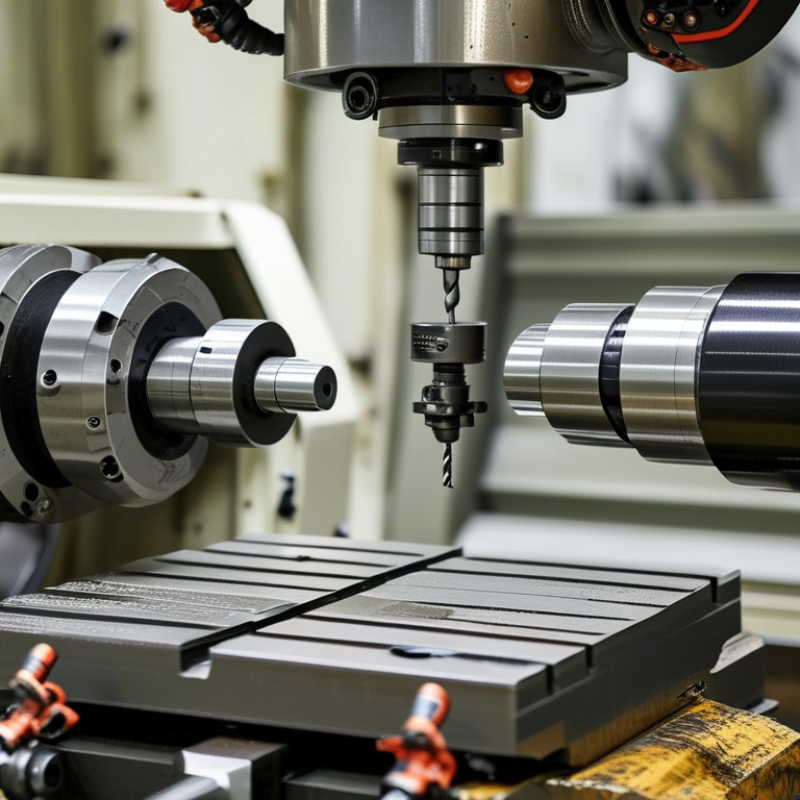
China machine tool auctions are organized sales where used, surplus, or lightly operated equipment is offered to domestic and international buyers. Machines may include CNC lathes, milling centers, press brakes, grinders, and inspection systems. Sellers usually provide photographs, specifications, production dates, and operating notes. Some auctions are online, while others allow scheduled inspections at warehouses or factories.
A careful buyer studies the lot description before bidding. Check spindle hours, control-system condition, tool capacity, table size, and electrical requirements. Request a live test when possible. Listen for unusual vibration and inspect the way covers, coolant tank, and hydraulic lines. Small details matter. A machine can look clean yet need expensive calibration. I have found that missing maintenance records create more uncertainty than visible wear.
Winning the bid is only one part of the transaction. Buyers should confirm the invoice, ownership documents, export eligibility, packing method, and destination-country import requirements. Professional auction operators normally explain payment deadlines, loading procedures, inspection rights, and dispute terms. Independent technicians can verify accuracy and safety before shipment. Still, auction information is not always complete. That limitation deserves honest attention. A realistic budget should include dismantling, inland transport, ocean freight, insurance, installation, and possible repairs. Clear records and documented communication make the process more dependable for global buyers.
China Top Machine Tool Auctions for Global Buyers - What China Machine Tool Auctions Are
| Machine Category | Typical Auction Inventory | Common Technical Range | Typical Condition | Global Buyer Inspection Points | Export and Installation Notes |
|---|---|---|---|---|---|
| CNC Turning Centers | Horizontal lathes, slant-bed turning centers, bar-fed units, and machines with live tooling | Approximate turning diameters of 200–800 mm; spindle speeds commonly range from 2,000–6,000 rpm | Used production equipment may show turret wear, chuck wear, guideway marks, or service history gaps | Check spindle noise, chuck repeatability, turret indexing, backlash, lubrication, coolant system, and control operation | Confirm machine weight, lifting points, controller language, electrical frequency, and availability of operating manuals |
| CNC Vertical Machining Centers | Three-axis and four-axis vertical mills, pallet machines, and machining cells | Typical travels range from 500–1,500 mm on the X axis; spindle speeds commonly range from 6,000–15,000 rpm | Machines can be lightly used, production-used, refurbished, or sold as untested equipment | Verify axis backlash, spindle taper condition, tool changer alignment, table flatness, coolant flow, and test-cut results | Check total height for container or vessel loading, transport bracing requirements, and compatibility with local power supply |
| CNC Horizontal Machining Centers | Horizontal mills, pallet-changing systems, and high-volume production units | Common pallet sizes are approximately 400–800 mm; machines often include automatic tool storage and chip management | Often sold from factory closures, production upgrades, or surplus inventory | Inspect pallet positioning, rotary-axis accuracy, tool magazine operation, spindle condition, and chip-conveyor function | Plan specialist rigging and inland transport because of high machine weight and a high center of gravity |
| CNC Press Brakes | Hydraulic and electric press brakes with manual, two-axis, or multi-axis backgauges | Common capacities range from 40–300 tonnes with bending widths of approximately 1,250–4,000 mm | May include tooling, but tooling completeness and accuracy vary considerably by lot | Check ram parallelism, hydraulic leakage, backgauge accuracy, safety devices, controller condition, and included tooling | Confirm shipping dimensions, oil-drainage requirements, lifting plan, and conformity with local workplace-safety rules |
| Laser Cutting Machines | Flat-sheet fiber laser systems, tube cutters, loading systems, and spare-part lots | Common sheet formats include approximately 1,500 × 3,000 mm; power ratings often range from 1–12 kW | Optical components, protective windows, cutting heads, and filters may require replacement after heavy use | Request cutting samples, inspect beam quality, chiller performance, extraction system, calibration records, and operating hours | Verify laser-safety compliance, cooling-water requirements, software licensing, and availability of compatible consumables |
| Conventional Lathes and Milling Machines | Engine lathes, turret lathes, knee mills, radial drills, and workshop machines | Typical swing or table sizes vary widely; many machines support manual machining and repair work | Usually older equipment with visible wear, but simpler controls can reduce maintenance complexity | Check bed wear, lead screws, gearbox noise, spindle runout, quill condition, guards, and included accessories | Suitable for lower-cost workshops, but confirm metric or imperial graduations and electrical conversion needs |
| Grinding Machines | Surface grinders, cylindrical grinders, internal grinders, and tool-and-cutter grinders | Surface tables commonly range from approximately 500 × 250 mm to 1,000 × 500 mm | Precision may be affected by wheelhead wear, table movement, coolant contamination, or poor storage | Measure spindle runout, table straightness, wheelhead movement, vibration, coolant condition, and achieved surface finish | Use specialist packing to protect precision surfaces; confirm wheel specifications and local machine-guarding requirements |
| Sheet-Metal and Fabrication Equipment | Shears, plasma cutters, punching machines, rolling machines, and welding-positioning equipment | Capacity depends on material type and thickness; many units are configured for carbon steel, stainless steel, or aluminum | Equipment may be sold individually or as part of a complete fabrication line | Check cutting quality, hydraulic pressure, blade or electrode condition, controls, safety interlocks, and accessories | Confirm required compressed air, extraction, cooling, and three-phase electrical specifications before shipment |
Related Posts
-
How to Find the Best Deals at Machine Tool Auctions with Industry Insights
-
Top 5 Second Hand Industrial Equipment Options for Your Business Needs
-

How to Choose the Right Heavy Equipment Trader for Your Needs?
-

Essential Tips for Buying Textile Machinery in 2026
-
2026 Best Heavy Construction Equipment for Efficient Project Management?
-
China Top Textile Machinery Manufacturers and Suppliers