
China’s machine-tool sector is broad, but international buyers need more than a low hammer price. They need clear condition records, accurate specifications, and a realistic view of removal and shipping costs. Machine tool auctions can connect buyers with lathes, machining centres, presses, and production lines from across China. Yet a polished listing is not an inspection.
The China Machine Tool & Tool Builders’ Association and Gardner Intelligence publish industry information that helps readers understand production, consumption, and market trends. Gardner’s World Machine Tool Survey is a useful reference for comparing national markets; it does not, by itself, establish the value or condition of any auction lot. Buyers should verify each machine’s maker, model, year, control system, operating status, and included tooling. Ask for dated photographs, test videos, and maintenance records. Check whether loading support is available at the site. Small details matter.
“Price is what you pay. Value is what you get,” Warren Buffett has said. Though he is not an auction specialist, the principle fits used machinery: a low bid may conceal costly repairs, missing components, or difficult removal. This guide examines how global buyers can assess China-based machine tool auctions, compare lots, and plan due diligence before bidding. Treat every listing as a starting point. Verify the facts independently.
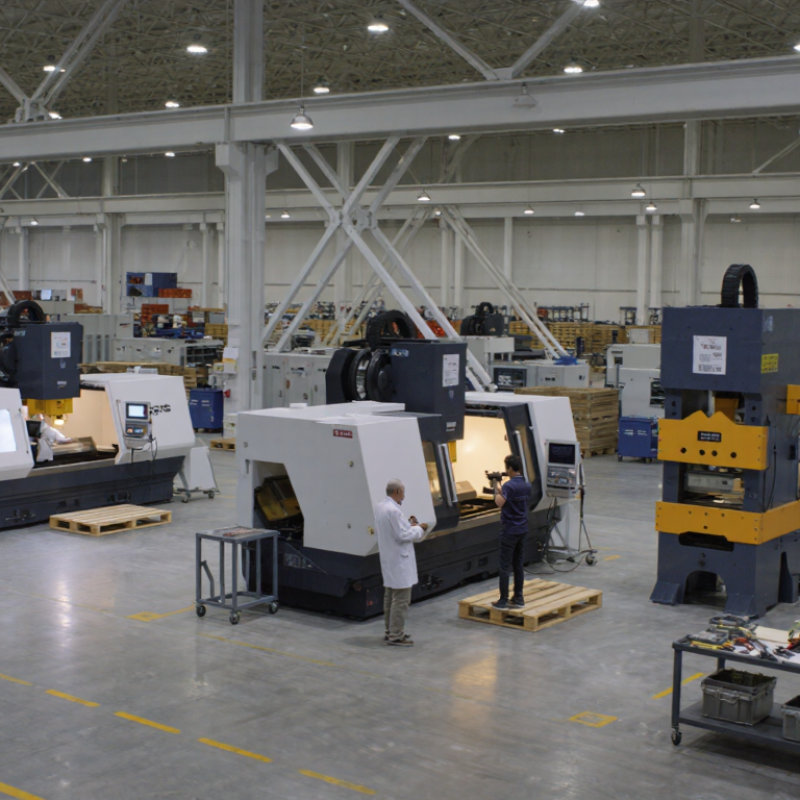
China’s machine tool auctions are organized sales where used or surplus equipment is offered to the highest qualified bidder. These events may include CNC lathes, milling machines, presses, grinders, and inspection tools. Sellers can be factories, liquidation agents, or industrial asset managers. Auctions are held online, onsite, or through both channels. Global buyers usually register, review machine details, and submit bids before a fixed deadline.
A reliable auction listing should show the machine’s age, model, working status, location, and available inspection records. However, photos can hide worn guideways, coolant damage, or missing accessories. That detail matters. Experienced buyers request videos, maintenance logs, nameplate images, and a live inspection when possible. They also calculate more than the winning bid. Export packing, inland transport, ocean freight, duties, installation, and electrical conversion may change the final cost. Auction terms can be strict, and refunds may not be available after payment.
Tips: Set a maximum landed budget before bidding. Ask whether power testing is permitted. Confirm spindle runout, axis movement, control condition, tooling, and included manuals. Use an independent technician for expensive equipment. One overlooked connector can create a costly delay. Some listings are clear, but not all are complete. That is why careful questions and written records remain essential for overseas purchases.
China’s machine tool auction market connects factories, traders, auction houses, and overseas buyers. Machines usually enter auctions after plant closures, upgrades, restructuring, or production changes. Lots may include lathes, milling machines, presses, grinders, and complete workshop equipment.
The process often begins with an online catalogue. Each listing should show the model, production year, location, condition, and bidding deadline. Buyers may request inspection reports, operating videos, maintenance records, and photographs of control panels. Some sellers permit physical inspections before bidding. That matters. Used equipment is commonly sold “as is,” so a low price can hide repair costs. Buyers should check spindle noise, guideway wear, electrical functions, tooling, and missing accessories.
After winning, the buyer normally pays within a fixed period. The auction organizer then provides invoices and collection instructions. International buyers must arrange loading, crating, inland transport, shipping, customs documents, and insurance. Import rules differ by destination, especially for older machinery and electrical systems. A professional inspection can prevent expensive surprises, although it cannot remove every risk. Translated specifications may also contain mistakes. Check everything. The market can be efficient, but it is not perfectly predictable. Careful bidders compare total landed cost, not only the final auction price.
China Top Machine Tool Auctions for Global Buyers
Global buyers can find Chinese machine tool auctions through industrial auction platforms, machinery marketplaces, and regional auctioneers. Search by city, machine type, and sale date. Listings may include CNC lathes, milling machines, presses, and inspection equipment. Some auctions are online; others require an in-person inspection. Check whether the seller provides operating hours, maintenance records, tooling, and loading details. A clear listing helps, but it is not a substitute for inspection.
China’s manufacturing scale makes this market worth watching. The International Federation of Robotics reported 276,288 industrial robot installations in China in 2023, about 51% of global installations. This figure is not auction data, but it signals a large, active manufacturing base where equipment changes can create resale opportunities. Buyers should compare auction prices with current used-machine listings and budget for inspection, packing, freight, and possible repairs. Details can be uneven. That matters.
Tips: Request a live test video and confirm the machine’s serial plate, controller, voltage, and included accessories. Ask who handles dismantling and loading before bidding. If documentation is missing, pause and verify the facts independently. One overlooked cable or tooling set can affect the real cost.
A machine can look clean in photographs and still hide costly wear. Check spindle noise, guideway surfaces, control response, and visible oil leaks. Ask for a recent running video that shows the machine cutting material, not just powering on. Short clips help, but they rarely reveal everything. Request the model, year, serial details, maintenance records, and a clear list of included accessories. A missing chuck or tool holder can change the real purchase cost.
Seller checks matter just as much. Compare the auction listing with the name and address on the sales documents. Ask who owns the machine and who will arrange loading. Confirm whether an independent inspector can visit before bidding. If answers stay vague, pause. A rushed decision is rarely a bargain. Still, inspection reports have limits; they may miss faults that appear only after hours of operation.
Read every auction term before placing a bid. Check the payment deadline, deposit rules, buyer fees, tax treatment, collection window, and responsibility for dismantling and transport. Clarify whether the quoted price includes packing or export documentation. Get important answers in writing, including the machine’s condition and what happens if collection is delayed. Allow room in your budget for crating, freight, insurance, and possible repairs. That estimate may be imperfect. It is better than pretending the hammer price is the full cost.
International buyers can complete a China machine tool purchase more confidently by treating the auction listing as a starting point, not a full inspection. Check the model, year, control system, working dimensions, and included accessories. Ask for recent operating videos and clear photos of the machine’s nameplate, spindle, guides, and electrical cabinet. A short video can reveal much, but it cannot replace an on-site inspection.
Confirm the machine’s condition report and ask what was tested under power. If possible, hire an independent technician to inspect it before bidding. This costs extra. It may prevent a costly surprise. Clarify the auction price, service fees, payment schedule, and collection deadline in writing. Also confirm which documents the seller can provide, such as an invoice, packing list, and machine specifications.
Before paying, plan the route from the auction site to the port and obtain a freight quote based on the machine’s actual weight and dimensions. Check packaging needs, lifting points, and whether the machine must be drained or secured for transport. Ask a customs broker in the destination country to verify import requirements and estimated charges. Details can change, and paperwork is easy to underestimate. Keep written records of every agreed condition, especially when the machine has wear that the listing describes only briefly.
Illustrative planning timeline for a cross-border purchase. Actual durations vary by machine, seller, payment terms, shipping route, and customs requirements.
Typical workflow: define requirements, inspect and verify the machine, agree on terms, arrange payment and export documents, then ship and complete import clearance. Treat the durations shown as planning estimates, not guaranteed service times.