

Anti-Glare Glass is becoming a practical specification for displays, vehicles, medical equipment, and architectural interiors. It reduces reflected light, softens distracting highlights, and improves readability near windows or strong ceiling lamps. The need is measurable. Grand View Research values the global anti-reflective coatings market at approximately USD 4.42 billion in 2023. It also projects continued growth through 2030. This adjacent market signals stronger demand for controlled surface reflection.
Related demand is rising in smart glazing and display applications. Fortune Business Insights reported that the global smart glass market reached about USD 5.58 billion in 2023. The same report forecasts substantial expansion by 2032. However, market numbers are not perfectly interchangeable. Anti-glare performance depends on haze, transmission, durability, cleaning resistance, and viewing angle. A low-reflection surface can still produce unwanted diffusion. That detail is often overlooked.
Dr. John D. Bullough, a lighting researcher at the Lighting Research Center, explains, “Glare is a visual sensation caused by excessive brightness or contrast.” His observation remains useful when comparing worldwide manufacturers. The best supplier is not always the largest one. It should demonstrate measured performance, stable coating quality, and credible testing records. Buyers should inspect sample panels under real conditions, including sunlight, fingerprints, black-screen reflections, and angled viewing. Reports provide direction. They do not replace verification. This guide examines leading Anti-Glare Glass manufacturers through product capability, technical evidence, application experience, and supply reliability. Some conclusions may remain provisional, because public manufacturer data is often incomplete.
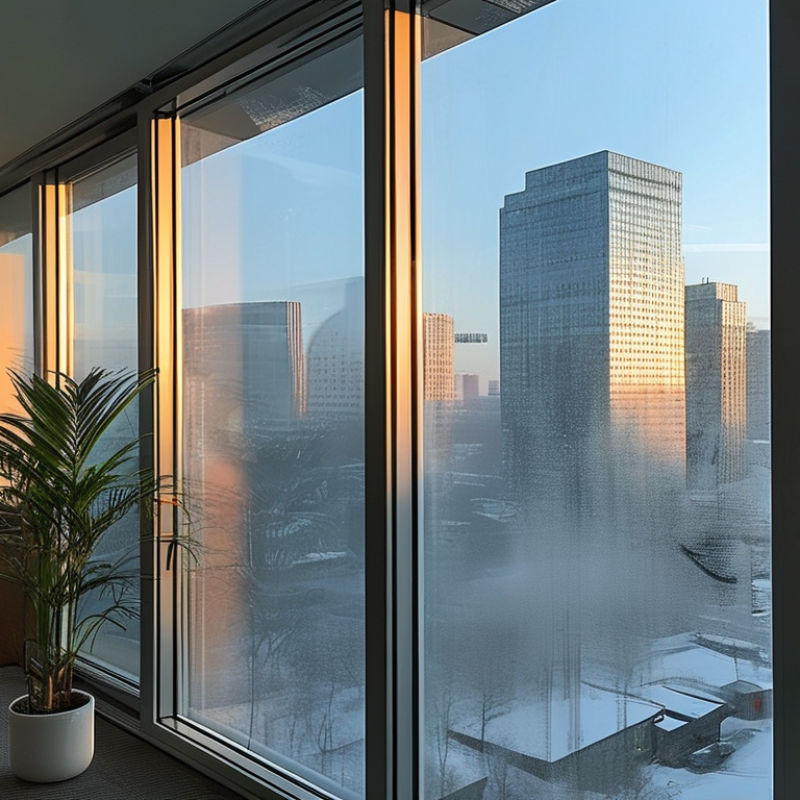
Anti-glare glass reduces reflected light by changing how light leaves the surface. It does not simply make glass darker. Instead, a matte treatment creates microscopic irregularities that scatter incoming light in different directions. This softens sharp reflections from windows, lamps, and screens. Some products also use a thin optical coating to reduce surface reflection through controlled interference.
The physics is simple. The manufacturing is not.
A high-quality surface must control haze, clarity, durability, and visible light transmission at the same time. Excessive texture can make small text appear blurred, especially under office lighting. Low-quality coatings may also wear unevenly after repeated cleaning. In practical testing, buyers should compare haze and gloss values, not rely on the label alone. A 2024 report from MarketsandMarkets estimates the global anti-reflective coatings market will grow from about USD 4.7 billion in 2024 to USD 7.1 billion by 2029. That growth reflects wider use in displays, solar modules, eyewear, and architectural glazing.
Anti-glare and anti-reflective are related, but they are not identical. Anti-glare glass scatters reflections, while anti-reflective glass suppresses them optically. The distinction matters. I would not specify either solution without checking viewing distance, cleaning conditions, and lighting direction. Industry testing under one lamp can look convincing, yet real rooms are rarely so cooperative.

Top Anti Glare Glass Manufacturers Worldwide
Comparing global anti glare glass manufacturers requires more than reviewing product brochures. Start with measurable performance: visible light transmission, haze, reflection reduction, and color accuracy. Ask for independent test reports, coating thickness data, and batch traceability. A reliable manufacturer should explain how results were obtained, not only present attractive percentages.
Physical samples reveal details that spreadsheets miss. Place the glass near a bright window, an angled LED panel, and a dark display. Check whether reflections soften without making text appear dull. Inspect fingerprints, cleaning marks, edge quality, and surface uniformity. Manufacturers with strong technical experience usually provide application guidance for retail displays, offices, museums, and control rooms. They should also discuss glass thickness, heat treatment, lamination, and compatibility with frames.
Durability matters.
Compare abrasion resistance, chemical tolerance, ultraviolet stability, and expected service conditions. Review quality-control procedures, production capacity, lead times, packaging, and replacement policies. A manufacturer may offer excellent optical results but lack consistent delivery across regions. That weakness matters. No anti glare coating performs perfectly in every lighting environment, and laboratory readings may not match a busy showroom. Allow room for uncertainty, request field samples, and question vague claims. Reliable technical support, clear documentation, and honest limitations often distinguish experienced manufacturers from merely capable suppliers.
Top Anti Glare Glass Manufacturers Worldwide
Asia-Pacific remains the strongest manufacturing base for anti-glare glass. The Semiconductor Industry Association reports that the region holds roughly 75% of global semiconductor manufacturing capacity. This supports demand for etched and coated glass in monitors, tablets, vehicles, and industrial panels. Leading regional manufacturers usually offer high-volume chemical strengthening, tight haze control, and automated inspection. Small defects matter. A faint rainbow can reduce display readability.
European manufacturers compete through precision, sustainability, and architectural performance. The European Commission’s Energy Performance of Buildings data shows buildings consume about 40% of the region’s energy. This encourages low-reflection glazing for offices, transport hubs, and public buildings. Suppliers often combine anti-glare surfaces with solar-control or low-emissivity layers. However, extra coatings can lower visible transmission. That trade-off deserves clearer technical disclosure.
North American producers focus on commercial buildings, transportation, and specialized electronics. The U.S. Department of Energy estimates that windows can account for 25–30% of residential heating and cooling energy use. Regional buyers therefore examine glare reduction, thermal performance, durability, and replacement costs together. ASTM D1003 haze testing and ISO-based coating evaluations help compare suppliers fairly. Yet test results may not reflect dusty roads, fingerprints, or strong winter sunlight. Laboratory confidence is useful, but field experience still exposes weaknesses.
| Region | Representative Manufacturing Markets | Common Anti-Glare Production Methods | Typical Glass Substrates | Main Application Areas | Relevant Technical Standards | Regional Manufacturing Strengths |
|---|---|---|---|---|---|---|
| East Asia | China, Japan, South Korea and Taiwan | Chemical etching, acid-etched matte finishing, anti-reflective coating and micro-textured surfaces | Clear float glass, extra-clear glass, aluminosilicate glass and chemically strengthened glass | Display covers, touch panels, solar modules, architectural façades, appliances and optical equipment | ISO 9211 for optical coatings; IEC 61730 for photovoltaic module safety; applicable national safety-glazing requirements | Large-scale flat-glass capacity, advanced display-glass processing, precision surface treatment and extensive electronics supply chains |
| Europe | Germany, Italy, France, Spain, Belgium, Poland and the United Kingdom | Acid etching, ceramic frit or screen-printed matte surfaces, sputter coating and laminated glare-control constructions | Float glass, low-iron glass, heat-treated glass, laminated glass and coated architectural glass | Commercial buildings, museums, transport facilities, solar energy systems, interior partitions and premium furniture | EN 1096 for coated glass; EN 12150 for thermally toughened safety glass; EN 14449 for laminated glass | Strong architectural-glass engineering, high emphasis on energy performance, façade compliance and customized processing |
| North America | United States, Canada and Mexico | Acid-etched finishes, anti-reflective thin-film coatings, sandblasted textures and laminated glare-reduction assemblies | Float glass, tempered glass, laminated glass, low-iron glass and specialty optical glass | Curtain walls, skylights, retail interiors, solar panels, protective screens, signage and transportation glazing | ASTM C1376 for sputter-coated flat glass; ASTM C1048 for heat-treated flat glass; ASTM C1172 for laminated architectural flat glass | Well-developed architectural specifications, strong testing infrastructure and demand for safety, durability and energy performance |
| South Asia | India, Bangladesh, Pakistan and Sri Lanka | Acid-etched glass, matte ceramic printing, sandblasting and imported or locally processed coated glass | Clear float glass, tinted glass, tempered glass and laminated glass | Commercial façades, office interiors, shower enclosures, solar applications, furniture and residential construction | Applicable BIS, ISO, EN or ASTM specifications depending on the project and destination market; safety-glazing requirements apply to architectural installations | Growing architectural and solar-glass demand, competitive fabrication costs and expanding regional processing capacity |
| Middle East and Africa | United Arab Emirates, Saudi Arabia, Türkiye, Egypt and South Africa | Acid-etched finishes, ceramic frit patterns, solar-control coatings and laminated glare-management systems | Solar-control glass, low-emissivity glass, tempered glass, laminated glass and tinted float glass | High-rise façades, airports, hotels, shopping centres, desert-climate buildings and renewable-energy projects | Project-specific EN, ASTM, ISO or local building-code requirements; safety glazing and solar-performance testing are commonly specified | Strong construction-led demand, façade fabrication expertise and increasing focus on solar control and building energy efficiency |
| Latin America | Brazil, Mexico, Argentina, Chile and Colombia | Acid etching, sandblasting, ceramic printing, laminated constructions and selected anti-reflective coatings | Float glass, tempered glass, laminated glass, tinted glass and low-emissivity glass | Residential and commercial buildings, interiors, automotive components, solar projects and retail displays | Local building standards supplemented by ASTM, EN or ISO requirements for exported or specialized projects | Established float-glass and fabrication markets, expanding solar installations and increasing use of performance glazing |
Note: Anti-glare glass may be produced through surface etching, texturing, coating or laminated construction. The applicable standard depends on the glass type, intended use, safety classification and destination market.
Top Anti Glare Glass Manufacturers Worldwide
Manufacturing quality defines anti-glare glass performance more than appearance alone. Producers commonly use acid etching, sandblasting, micro-textured rollers, and matte polymer coatings. These processes scatter reflected light across the surface. Chemical etching usually creates consistent roughness, while mechanical texturing can offer stronger durability. However, deep textures may reduce image sharpness. This trade-off is easy to underestimate.
MarketsandMarkets reported that the global smart glass market could grow from about USD 7.5 billion in 2023 to USD 13.6 billion by 2028. Anti-glare surfaces support this growth across displays, vehicle panels, architectural glazing, and control equipment. In real installations, manufacturers measure haze, gloss, reflectance, abrasion resistance, and fingerprint visibility. ASTM-based testing and repeated humidity cycles can reveal failures that appear invisible during factory inspection. The process is not perfect.
Tips: Match surface texture with viewing distance and lighting conditions. For touchscreens, excessive haze can soften small text. For office glazing, stronger diffusion may improve comfort near bright windows. Request measured haze and gloss values, not vague “low reflection” claims. Check performance after cleaning, heat exposure, and repeated handling. A beautiful sample can still perform poorly after six months.
When selecting an anti-glare glass supplier, inspect performance data before comparing prices.
Ask for measured haze, clarity, reflection reduction, and light transmission values. These figures should match a recognized testing method and a stated glass thickness. A useful supplier explains the test setup, not just the final number. Request samples in the same size and coating type used for your project. Small samples can hide edge distortion. That matters.
Experience becomes visible in practical questions. Can the supplier control coating uniformity across large sheets? How are scratches, fingerprints, and cleaning chemicals tested?
Ask for batch records, inspection points, and acceptable defect limits. A reliable technical team should discuss temperature changes, installation handling, and expected service conditions. They should also provide packaging details, delivery tolerances, and replacement procedures. Vague promises are not evidence.
Review certifications, traceability, and independent test reports. Confirm that documents apply to the exact product, not a similar series. Speak with a recent customer if possible, but examine the reference carefully. One project may not represent every application.
I once treated a low reflection reading as decisive; later, viewing angle and indoor lighting changed the result. That mistake was avoidable.
Compare samples under actual lamps, daylight, and fingerprints. A short pilot order can reveal coating variation before full production. Choose a supplier that admits limitations and documents corrective action.
