

In the competitive landscape of manufacturing, Wire Edm Machining stands out as a game changer. This advanced process utilizes a thin wire to cut through metal with precision, offering unique advantages for global buyers. As industries evolve, the demand for accurate and intricate designs grows. Wire EDM Machining meets this demand, making it an essential tool for manufacturers.
The benefits of Wire EDM Machining go beyond mere efficiency. This technique reduces material waste, saving both time and cost. It allows for tight tolerances and complex geometries that are often overlooked in traditional machining methods. However, some challenges remain, particularly in selecting the right service provider. The variability in quality across suppliers can impact production outcomes significantly.
Investing in Wire EDM Machining can enhance productivity, but due diligence is crucial. Buyers must assess suppliers carefully. Understanding a supplier's capabilities and past performance is vital to ensure reliable results. Ultimately, leveraging Wire EDM Machining can transform manufacturing processes, but it requires informed decisions and continuous evaluation.
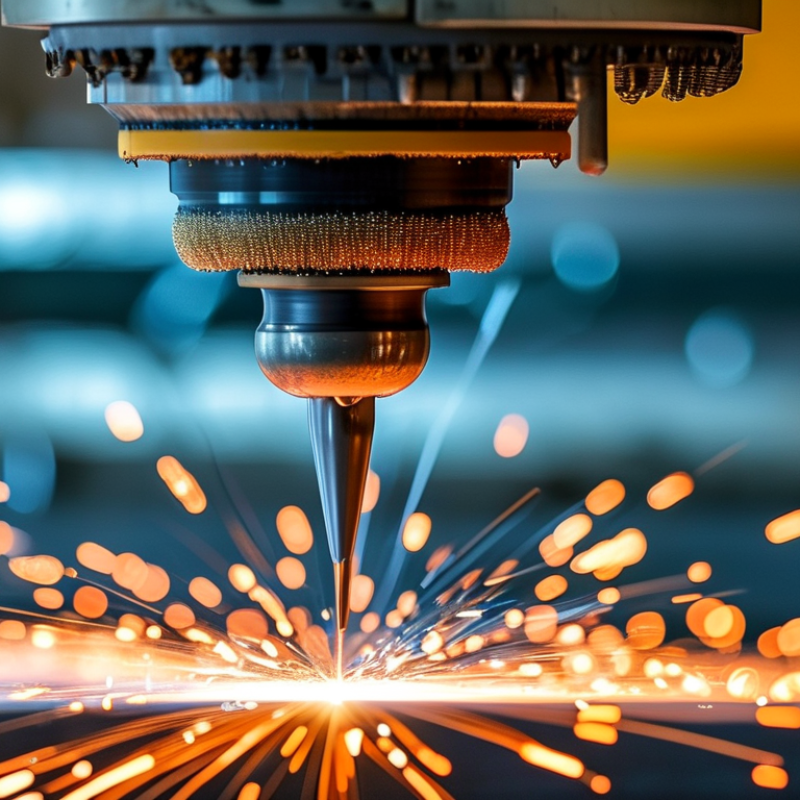
Wire EDM machining, or Wire Electrical Discharge Machining, is a precision manufacturing process widely used in various industries. It employs a thin wire as an electrode to cut through electrically conductive materials with impressive accuracy. This method allows for intricate designs that are often difficult to achieve with traditional machining techniques. For industries such as aerospace and medical devices, precision is critical, making Wire EDM a go-to method.
The versatility of Wire EDM is noteworthy. It can shape components from complex geometries to simple profiles. This adaptability makes it essential for prototype development and large-scale production. However, it is important to understand the limitations, such as the need for electrically conductive materials and the potential slow processing times for thick workpieces. While the advantages are significant, buyers should consider their specific needs and whether Wire EDM is the right fit for their applications. Refining the selection process can enhance productivity and ensure better outcomes.

Wire EDM machining offers remarkable advantages for precision manufacturing, making it a valuable choice for global buyers. This method utilizes electrical discharge to cut materials with incredible accuracy. The result is a clean edge and intricate details that traditional machining might struggle to achieve. The flexibility of Wire EDM allows manufacturers to work with various materials, including hard metals.
When using Wire EDM, one significant benefit is its ability to produce complex geometries. This precision is vital in sectors like aerospace and medical where exact specifications are crucial. Despite its advantages, it requires careful setup and monitoring. Operators must be skilled to avoid potential errors, which can lead to costly reworks.
Consider your specific production needs carefully. Analyzing the workload can optimize costs associated with Wire EDM machining. Understand that while the setup may take longer than conventional machining, the long-term benefits in terms of accuracy and Material Utilization often outweigh initial time investments.
Small adjustments in parameters can lead to significant changes in results. Experimenting with different settings can enhance efficiency, but take note of potential variations. Documenting these adjustments can provide insights for future projects.
| Benefit | Description | Example Application |
|---|---|---|
| High Precision | Produces parts with tight tolerances and intricate geometries. | Aerospace components |
| Complex Shapes | Can machine complex shapes that are difficult for traditional methods. | Molds and dies |
| Minimal Material Loss | Utilizes a thin wire electrode, leading to less waste of material. | High-value metals |
| Versatile Material Compatibility | Suitable for a wide range of conductive materials, including exotic alloys. | Medical implants |
| Reduced Mechanical Stress | Non-contact cutting process minimizes distortion and mechanical stress. | Precision parts for electronics |
| Excellent Finishing | Produces smooth surface finishes, often eliminating the need for secondary operations. | Optical parts |
| High Efficiency | Capable of high-speed machining, leading to reduced cycle times. | Production line setups |
| Automation Friendly | Easily integrates with automated systems for improved productivity. | Mass production environments |
| Cost-Effective for Low Volume Production | Ideal for producing small batches of high-precision parts without large setup costs. | Custom tooling and prototypes |
| Innovative Technology | Incorporates advanced technology, ensuring high-quality production standards. | R&D projects in various industries |
Wire EDM machining has gained recognition for its cost-effectiveness in manufacturing. This technology allows for intricate cuts and precise shapes with minimal material waste. Traditional machining methods often lead to a significant amount of scrap material, increasing costs. In contrast, Wire EDM utilizes thin wire electrodes, which ensure that nearly all the material is used. This precision directly translates into lower production expenses.
Furthermore, Wire EDM's ability to work with hard and exotic materials without compromising quality is vital. While other methods may require additional processing or slower speeds, Wire EDM maintains efficiency. However, adequate training and expertise are essential to unlock its full potential. Operators must understand the intricacies of machine settings and wire selection. A lack of experience may lead to errors or inefficiencies, resulting in unexpected costs.
Investing in Wire EDM also means lower tooling costs. Unlike conventional methods that require multiple tools for different operations, Wire EDM often needs only one setup to achieve multiple cuts. This consolidation reduces the need for inventory and storage. However, buyers should tread carefully; not all applications may benefit equally from this technology. Evaluating specific project needs and challenges is crucial for maximizing the advantages of Wire EDM machining.
Wire EDM (Electrical Discharge Machining) has become a preferred method for fabricating complex parts. This technique excels in producing high-precision components with intricate designs. According to a report by MarketsandMarkets, the global wire EDM market is expected to reach around $1.8 billion by 2025. The reliability and accuracy of this process appeal to manufacturers across multiple sectors.
Wire EDM is known for its capability to achieve micrometer-level precision. This method allows for sharp corners and thin walls, which are challenging for traditional machining methods. Data from the International Journal of Advanced Manufacturing Technology indicates that wire EDM can create geometries with tolerances as tight as 0.0005 inches. This level of detail is imperative in aerospace and medical applications, where even minor deviations can lead to significant issues.
Despite its advantages, wire EDM is not without limitations. The process can be slower than conventional machining, leading to longer production times. Additionally, the initial setup costs may deter some buyers. Reflecting on these challenges is crucial for making informed decisions. Emphasizing both the benefits and constraints of wire EDM ensures that manufacturers choose the best options for their specific needs.
Wire EDM (Electrical Discharge Machining) plays a crucial role in sustainable manufacturing practices. This advanced technology is recognized for its precision and efficiency. According to a report by the International Journal of Engineering Research, Wire EDM reduces material waste by up to 30% compared to traditional machining methods. This reduction is vital as global industries strive to minimize their environmental footprints.
By utilizing a thin wire as the cutting tool, Wire EDM considerably cuts down on the amount of scrap material generated. The process is highly efficient and can work with materials that are challenging to machine. This efficiency not only saves resources but also reduces energy consumption during production. A study from the Association for Manufacturing Technology highlights that Wire EDM processes consume 25% less energy than conventional machining methods, contributing to a lower overall carbon footprint.
Despite these benefits, it's worth noting that Wire EDM does have its challenges. For instance, the initial setup costs may deter small manufacturers. Additionally, the process requires skilled operators to optimize efficiency and precision. Continuous training is essential, as improper use can lead to subpar results. Nonetheless, the advantages of Wire EDM in promoting sustainable practices are undeniably significant and warrant further exploration in global manufacturing strategies.
