
Selecting the right plastic extruder machine is crucial for any manufacturing business. The global plastic extrusion market is projected to reach USD 48 billion by 2027, highlighting its importance in the industry. With such rapid growth, making an informed choice is vital.
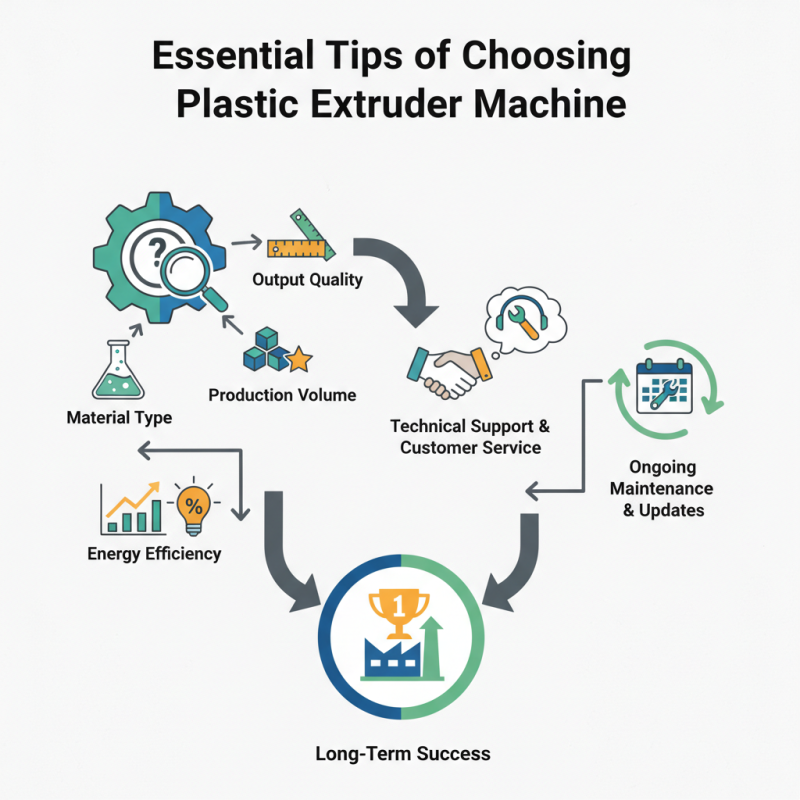
When choosing a plastic extruder machine, understand the specifications and purpose. Key factors include material type, production volume, and desired output quality. Recent studies show that 70% of industry leaders emphasize the significance of energy efficiency. Not all machines provide optimal efficiency, leading to increased operational costs. Careful consideration will enhance productivity and reduce waste.
Additionally, technical support and customer service from the manufacturer play a significant role. A reliable supplier can offer insights that ensure the machine operates at peak performance. Industry reports also emphasize the need for ongoing maintenance and updates to keep machinery modern and effective. Ignoring this can result in costly downtimes. Thus, due diligence in selecting a plastic extruder machine ultimately benefits long-term success.
When selecting a plastic extruder machine, it's crucial to understand the different types available. Each type of extruder serves unique purposes. The two primary types are single-screw and twin-screw extruders. Single-screw extruders are simpler and more cost-effective, making them suitable for standard applications. They are ideal for producing basic plastic products.
On the other hand, twin-screw extruders offer enhanced mixing and accuracy. This makes them preferable for complex formulations, such as those involving additives or colorants. These machines can handle a wider range of materials, offering flexibility in production. However, they tend to be more expensive and may require more maintenance.
It's important to assess your production needs and budget before making a choice. There's no one-size-fits-all solution. Many factors can influence your decision, including material type, intended product shape, and desired throughput. Reflecting on your specific requirements can lead to better machine selection and avoid costly mistakes. Keeping these considerations in mind can enhance your extruder's efficiency and reliability in the long run.
Understanding the Different Types of Plastic Extruder Machines Available
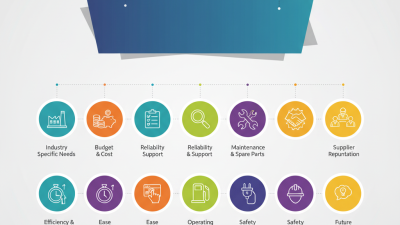
When selecting a plastic extruder machine, understanding key specifications is critical. The material type you plan to extrude significantly influences your choice. Different plastics require various temperature settings and screw designs. Make sure to assess the machine's compatibility with the materials you intend to use. Sometimes, the versatility of a machine can become a double-edged sword.
Another vital specification is the output capacity. You need to pick a machine that aligns with your production goals. Some machines can handle higher volumes but may consume more energy. This can lead to higher operational costs, which might not be ideal for smaller businesses. The size of the extruder and its footprint in your workspace also play a vital role. A larger machine might offer better capacity but can constrain your facility’s layout.
Don't overlook the control system. A user-friendly interface can improve your workflow significantly. Complex controls may lead to increased errors and downtime. Additionally, consider the maintenance requirements and available support. Machines that are difficult to maintain can result in unplanned outages. Ultimately, thorough research and consideration of these specifications can lead to a more informed purchase decision.
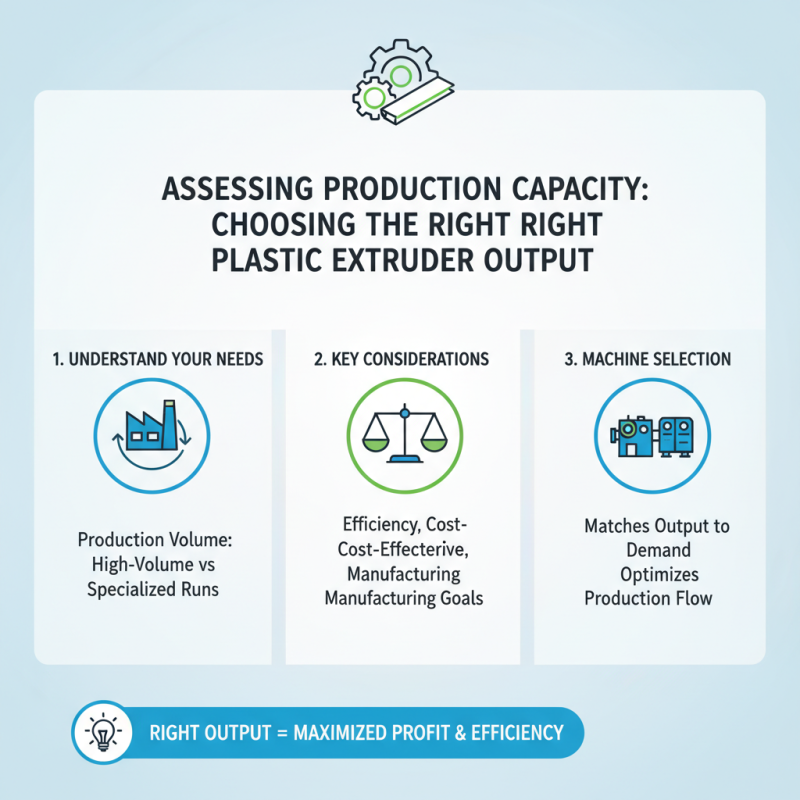
When selecting a plastic extruder machine, understanding your production capacity is crucial. The right output is key to meeting your manufacturing needs. Assess your anticipated production volume, as it directly impacts efficiency and cost. Consider whether your focus is on high-volume production or smaller, specialized runs. Each approach requires different machinery.
Tips for evaluating production capacity include analyzing your material types and desired end products. Certain machines excel with specific polymers. It's wise to explore the maximum output rates of different models. Remember, a machine with high output may not always be the best choice. It could lead to wasted resources if it exceeds your production goals.
Regularly review your production processes and adjust machine settings accordingly. Anticipate fluctuations in demand; flexibility is vital. Ultimately, selecting the correct output involves balancing your current needs with future expectations. Be ready to adapt as production requirements evolve. Continuous learning in this domain enhances reliability and productivity.
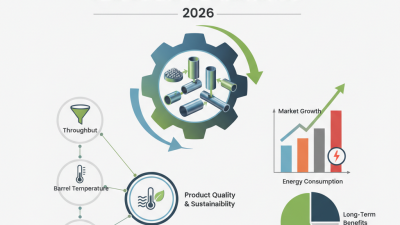
When selecting a plastic extruder machine, energy efficiency is a critical factor. Industry studies indicate that around 30% of production costs can be attributed to the energy used during extrusion. A machine with higher energy efficiency consumes less electricity, allowing for significant cost savings over time. It's essential to look for machines with advanced motor technology, capable of adapting to varying loads. These features not only reduce energy use, but also decrease greenhouse gas emissions by up to 25%.
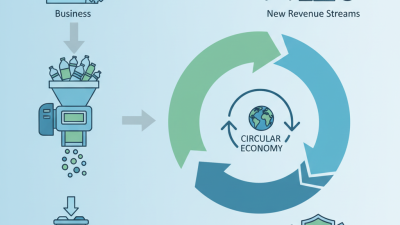
Another concern is the environmental impact of the extrusion process itself. A report by the Plastics Industry Association highlights that improper machine settings can lead to increased waste. Up to 15% of raw materials can be wasted if not managed correctly. This waste contributes to landfills and can harm the ecosystem. An efficient machine design can minimize these losses. Additionally, adopting biodegradable polymers in extrusion can align production with sustainability goals and reduce the industry's carbon footprint.
Selecting a machine with proven energy efficiency is vital. Consider usage patterns and material types. A machine that operates at peak efficiency on specific materials may not perform well with others. Evaluate the long-term operational costs versus initial investments carefully. The goal should always be a balance between performance, efficiency, and minimal impact on the environment.
| Feature | Description | Energy Efficiency Rating | Environmental Impact |
|---|---|---|---|
| Motor Power | A high-efficiency motor reduces energy consumption. | A+ | Lower carbon footprint. |
| Heating System | Advanced heating systems provide accurate temperature control. | A | Reduced energy waste. |
| Production Efficiency | Faster production rates without compromising quality. | B | Optimizes resource use. |
| Waste Management | Built-in systems to minimize scrap and waste. | A++ | Sustainable production practices. |
| Material Compatibility | Compatible with a variety of polymers for versatility. | B+ | Allows for recycled materials. |
Choosing the right plastic extruder machine involves more than just the initial purchase. After-sales support and maintenance play a crucial role in ensuring the extruder's longevity. Regular maintenance is key to preventing unexpected breakdowns and costly repairs. Proper servicing can extend the life of the machine significantly.
After-sales support provides users with access to expert knowledge. This expertise can guide during setup and troubleshooting. If issues arise, having a reliable contact for assistance is invaluable. It’s not just about the machine; it’s about building a relationship with the provider.
Neglecting after-sales service can lead to decreased performance. Machines may experience wear and tear or malfunction without proper care. Establishing a maintenance schedule can mitigate these risks. Reflecting on your processes can lead to better operational outcomes and equipment reliability. Investing in support is as crucial as the initial selection of the machinery.