How to Buy NBPT Fertilizer for Global Supply?
Buying Nbpt Fertilizer for global supply requires more than comparing prices per metric ton. Buyers must examine active content, formulation, stability, and delivery reliability. A low-priced shipment may become expensive after moisture damage, customs delays, or inconsistent field performance.
The International Fertilizer Association’s Fertilizer Use and Outlook reports show continued global dependence on nitrogen fertilizers, especially across Asia, Latin America, and Africa. The World Bank’s Commodity Markets Outlook also highlights fertilizer price volatility caused by energy costs, trade restrictions, and regional supply disruptions. These pressures make supplier verification essential. Request a recent certificate of analysis, safety data sheet, batch number, production date, and independent laboratory results. Check whether the product is granular, liquid, or compatible with your intended urea blend. Small details matter.
Dr. Achim Dobermann, a respected soil fertility specialist and former director general of the International Plant Nutrition Institute, stated, “Nitrogen use efficiency is not just a product issue; it is a management issue.” This principle should guide every purchase decision. Nbpt Fertilizer can reduce nitrogen losses, but performance depends on dosage, soil conditions, rainfall, storage, and application timing.
Do not trust one quotation. Compare at least three qualified suppliers, including their Incoterms, minimum order quantities, packaging options, payment terms, and replacement policies. Ask for a pre-shipment sample when possible. It may feel slower. It is safer.
A practical sourcing plan should balance laboratory evidence, supplier experience, logistics capacity, and local compliance requirements. Some assumptions will still prove wrong. That is why documented testing and transparent communication remain more reliable than promotional claims.
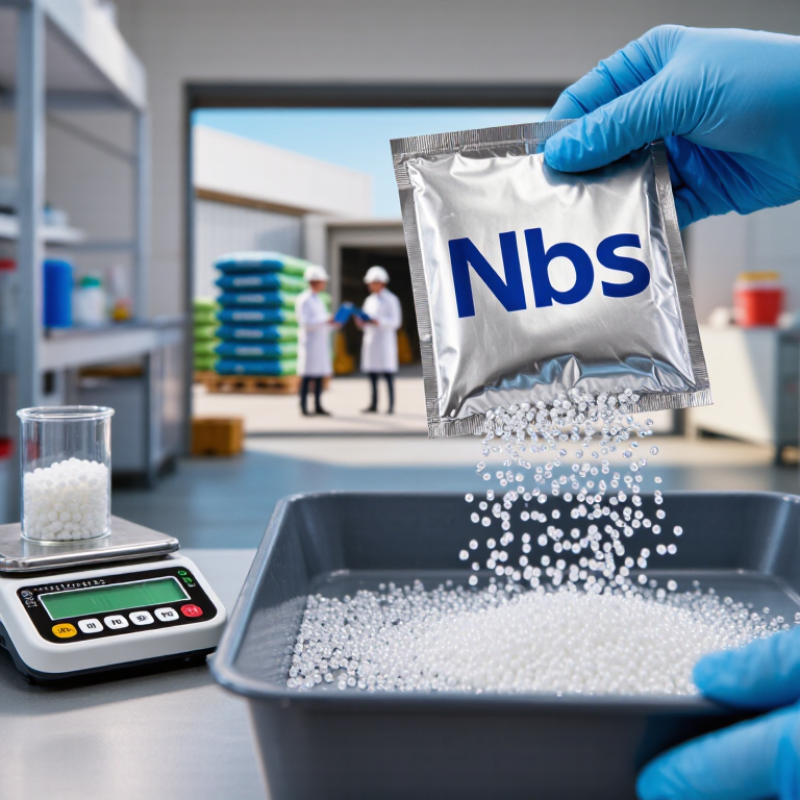
Define NBPT Fertilizer and Its Agricultural Uses
NBPT, or N-(n-butyl) thiophosphoric triamide, is a urease inhibitor used with urea fertilizers. Urease enzymes can convert urea into ammonium quickly after field application. Without suitable management, ammonia may escape from the soil surface. NBPT slows this reaction and gives rainfall or irrigation more time to move nitrogen into the soil. Its value depends on soil pH, temperature, moisture, placement, and application timing.
Farmers commonly use NBPT-treated urea for cereals, maize, oilseed crops, vegetables, and pasture systems. It can support more consistent nitrogen availability, especially when incorporation is difficult. A coated granule may suit large fields, while liquid treatment can support controlled processing. The right choice is never automatic. Field results can differ between seasons. Overapplication does not guarantee better performance and may increase costs or handling concerns.
For global supply, buyers should request a current certificate of analysis, safety data sheet, and batch traceability. Check NBPT concentration, moisture, appearance, storage stability, and compatibility with the intended urea grade. Ask whether packaging protects the material from heat and humidity during ocean transport. Review destination-country fertilizer rules before signing a purchase agreement. Independent laboratory testing is wise for the first shipment and unusual batches. A small trial plot can reveal practical differences before a full-season order. I would not rely on a specification sheet alone; field handling often exposes gaps.
Identify Required Specifications for Your Target Crops and Markets
When buying NBPT fertilizer for global supply, define the target crop before comparing prices. Corn, wheat, rice, and pasture may require different nitrogen management plans. Soil pH, rainfall, temperature, and application timing also influence product performance. A specification suitable for dryland fields may perform differently in humid regions.
Check the NBPT concentration, particle size, moisture content, and coating uniformity. These details affect blending, storage, and field application. Confirm compatibility with the base fertilizer and existing equipment. Granules should flow evenly through the spreader, without excessive dust or clumping. Ask for a recent certificate of analysis, safety data sheet, batch number, and shelf-life information. Traceability matters.
I once treated a standard specification as universal. It was not. A product that looked acceptable in a warehouse failed to blend smoothly after long transport. Packaging and container protection deserve equal attention. For overseas markets, verify labeling, language, import documents, and permitted agricultural uses with local specialists. Do not rely on a generic compliance statement. Request test methods and independent quality records when possible. Small differences in purity or release behavior can change application decisions. Your procurement checklist should reflect the crop, climate, equipment, and destination market, not only the quoted price.
How to Buy NBPT Fertilizer for Global Supply?
Identify the required NBPT specifications for your target crops, application method, and destination market.
How to read this chart
Commercial NBPT is commonly supplied as a high-assay powder or as a lower-concentration liquid formulation. Powder products are generally specified at about 95–98% NBPT assay, while liquid formulations commonly fall within the 20–30% range. Select the specification according to whether the product will be blended into urea, applied as a coating, or handled through liquid-fertilizer equipment. These are procurement benchmarks rather than universal legal limits; confirm registration, labeling, impurity limits, storage stability, and crop-use requirements in the destination market.
Units: NBPT active ingredient as a percentage by weight. Values represent commonly used commercial specification points for international fertilizer procurement.
Evaluate NBPT Suppliers, Production Capacity, and Certifications
For global NBPT fertilizer supply, evaluate suppliers beyond price and product samples. The International Fertilizer Association’s 2024 outlook places global fertilizer demand near 200 million tonnes of nutrients annually through 2028. That scale increases pressure on reliable inhibitor supply. Ask each supplier for plant location, annual nameplate capacity, current utilization, and export-ready inventory. Request production records, not estimates.
Capacity must match your delivery schedule. Compare batch size, lead time, port access, packaging, and emergency replenishment plans. A supplier claiming 10,000 tonnes of annual capacity may have limited practical availability. Numbers need proof.
Review recent shipment records, capacity audits, and at least three batch certificates of analysis. Confirm NBPT concentration, moisture, appearance, particle size, and storage stability through an independent laboratory.
Certifications also require careful checking. ISO 9001 supports documented quality systems, while ISO 14001 indicates structured environmental management. These certificates do not automatically prove NBPT performance. Request valid certificates, scope details, expiration dates, safety data sheets, and globally compliant hazard labeling. Check regional registration requirements before shipment. The Organisation for Economic Co-operation and Development emphasizes reliable chemical safety information throughout product handling and trade. I would also test a retained sample after arrival. It adds cost, but supplier documents can be incomplete. That uncomfortable step often reveals packaging damage, moisture pickup, or inconsistent assay results.
Verify Samples, Contracts, Quality Control, and Regulatory Compliance
How to Buy NBPT Fertilizer for Global Supply?
Buying NBPT fertilizer safely starts with a verifiable sample. Request a sealed sample with a batch number, production date, specification sheet, and certificate of analysis. Test the sample through an independent laboratory before approving bulk production. Check NBPT content, moisture, appearance, solubility, and impurity levels. A clear powder is not proof of quality. Ask for retention samples from the same production batch. Keep them for comparison after delivery.
The contract should define measurable quality standards. Include assay tolerance, packaging weight, shelf life, inspection rights, delivery terms, and remedies for nonconforming goods. Specify how an independent laboratory will handle disputes. Photographs of bags help, but they cannot replace weighing and sampling. Some buyers overlook storage conditions. Heat, moisture, and damaged liners can affect product performance. This detail is easy to underestimate.
Quality control should continue during loading and arrival. Record container numbers, seal numbers, pallet counts, and loading photographs. Review the safety data sheet and transport documents before shipment. Confirm that labeling, registration, import permits, and fertilizer rules match the destination market. Requirements differ across countries and may change. Consult the relevant authority or a qualified local compliance professional. A perfect checklist does not guarantee a perfect shipment. Recheck critical documents, especially when suppliers or destinations change.