

In today's competitive market, businesses continually seek ways to optimize efficiency and reduce costs. One effective solution is the Rotary Screw Compressor. This advanced technology offers a range of benefits that can enhance operational performance.
Rotary Screw Compressors are known for their reliability and durability. They require less maintenance compared to traditional compressors. This means lower downtime and more productivity. Their efficiency in energy consumption is crucial. It directly impacts a company's bottom line.
Moreover, understanding the specific needs of your industry helps in selecting the right compressor. Not every Rotary Screw Compressor will meet every requirement. It's important to evaluate options critically. While the advantages are clear, potential drawbacks require consideration as well. Investing in the right equipment is essential for long-term success.
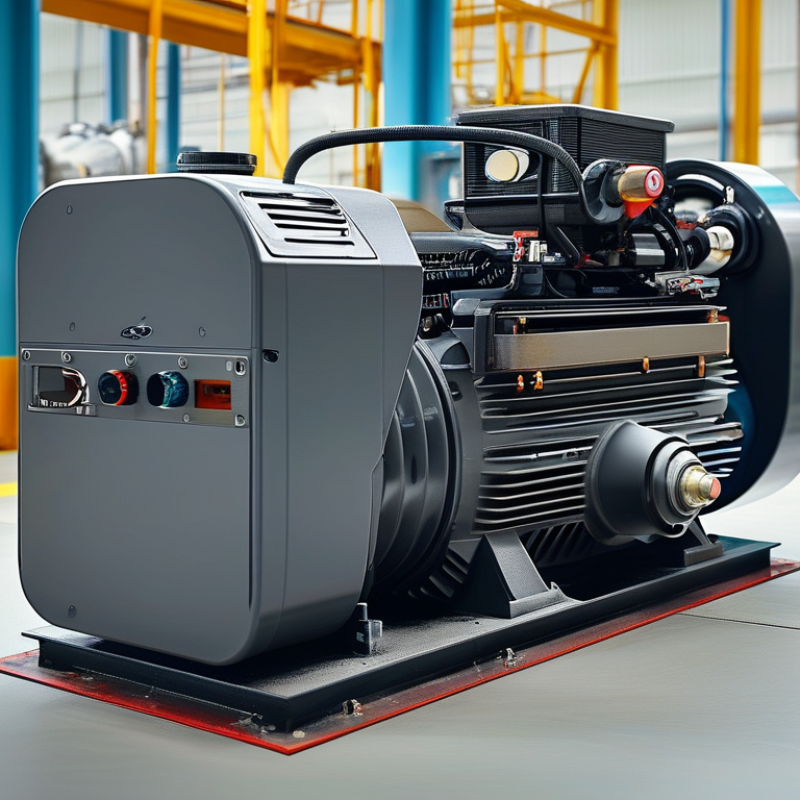
Rotary screw compressors have become a popular choice in various industries. Their design allows for continuous operation, which is essential for many businesses. The core functionality hinges on two interlocking helical screws that compress air without creating vibration. This mechanism leads to quieter performance compared to traditional piston compressors. Businesses benefit from reduced noise levels in their workplaces, which can enhance productivity and employee comfort.
These compressors also deliver consistent airflow. This steady pressure is critical for applications requiring precise pneumatic energy. Companies can rely on rotary screw compressors to power tools, machinery, and production lines consistently. However, not all applications may see the same efficiency. Organizations must assess their specific needs and usage to maximize the benefits. While the initial investment can be significant, the long-term energy savings often justify the cost. This reflects the importance of thorough research and evaluation before making a purchase decision. Understanding how these machines fit into your operational strategy is vital for achieving optimal results.

Enhanced energy efficiency is a crucial advantage of rotary screw compressors for businesses. These compressors are designed to operate more efficiently than conventional options. According to a report from the International Energy Agency, rotary screw compressors can achieve energy savings of 10% to 30% compared to reciprocating compressors. This level of efficiency translates into significant cost reductions on energy bills.
Operating continuously, rotary screw compressors utilize a design that minimizes energy loss. The constant airflow allows for stable operation, reducing the need for frequent starts and stops. This not only conserves energy but also extends the life of the equipment. Some studies indicate that extending operational duty cycles can decrease wear and tear by up to 50%. This longevity helps businesses minimize maintenance costs.
Furthermore, energy-efficient compressors support sustainability initiatives. Companies committed to reducing their carbon footprints can benefit from using these machines. A recent analysis highlighted that energy-efficient systems can reduce greenhouse gas emissions considerably. However, transition challenges exist. Initial investment costs might deter some businesses. Balancing costs and long-term savings requires careful evaluation.
| Benefit | Description | Impact on Business |
|---|---|---|
| Enhanced Energy Efficiency | Rotary screw compressors consume less energy compared to other types. | Lower operational costs and reduced energy bills. |
| Continuous Air Supply | Provide a steady and continuous supply of compressed air. | Improved productivity and uninterrupted operations. |
| Lower Noise Levels | Operate more quietly than reciprocating compressors. | Enhanced working environment and employee comfort. |
| Compact Design | Space-saving designs that fit into tighter spaces. | Maximizes available floor space in facilities. |
| Low Maintenance Needs | Fewer moving parts, resulting in reduced maintenance. | Cost savings on repairs and maintenance efforts. |
| Higher Reliability | Known for their durable and robust construction. | Minimizes downtime and enhances workflow reliability. |
| Versatile Applications | Suitable for various industrial applications. | Increases operational flexibility and adaptability. |
| Improved Air Quality | Typically equipped with effective filtration systems. | Better air quality leads to enhanced product quality. |
| Energy Recovery Options | Potential to recover and reuse heat energy. | Further reduces energy costs and improves efficiency. |
Rotary screw compressors have emerged as a beneficial choice for many businesses seeking to lower operational costs. One of the most significant advantages is their reduced maintenance requirements. Traditional compressors often come with complex systems that demand frequent checks and a hands-on approach. In contrast, rotary screw compressors operate with fewer moving parts. This simplicity often translates to lower repair costs over time.
A typical rotary screw compressor can run continuously for longer periods without significant wear. This durability reduces downtime, allowing for uninterrupted operations. Regular maintenance consists primarily of oil changes and filter replacements. This streamlined routine can be performed less frequently than traditional models, saving both time and money.
However, it’s essential to note that while these compressors are generally reliable, businesses must remain vigilant. Overlooking small issues can lead to larger problems down the line. Regular monitoring of performance metrics is crucial. This proactive approach ensures that the equipment operates efficiently and minimizes unexpected repair costs. Investing in rotary screw compressors not only optimizes resources but also enhances overall productivity for a business.
Consistent air supply is crucial for many industries. Rotary screw compressors are designed to deliver a steady stream of compressed air, which enhances operational efficiency. They minimize pressure fluctuations, resulting in stable performance for machinery. This steady airflow is vital for production lines that rely on pneumatic tools and equipment. When air supply remains consistent, downtime is reduced, and output quality improves.
Moreover, a reliable air supply impacts energy consumption. Rotary screw compressors often use less energy than other types of compressors. Their efficiency translates into lower operational costs and less environmental impact. However, it's essential to monitor the performance regularly. Maintenance can become an afterthought, but ignoring it may lead to unexpected disruptions. Regular checks can identify issues before they escalate.
Ultimately, ensuring a consistent air supply fosters a positive work environment. Workers can focus on their tasks without worrying about equipment failures. Enhanced productivity can lead to higher job satisfaction. Yet, businesses should remain vigilant. They must adapt to any changes in air demand to maintain optimal performance. This requires proactive management and strategic planning.
Rotary screw compressors provide exceptional versatility across various industries. They serve in manufacturing, food processing, and even medical applications. Their ability to maintain a steady airflow makes them suitable for tasks that require consistent pressure. This reliability proves crucial in settings like automotive assembly lines, where precision is vital.
In food processing, these compressors help maintain quality and safety standards. They efficiently power equipment like pneumatic tools and packaging machines. Efficiency goes hand in hand with energy savings, making them an attractive option. Often, businesses notice a reduction in energy costs after switching to rotary screw compressors.
Here’s a tip: Regular maintenance of compressors can prevent unexpected downtimes. Dust and wear can lead to inefficiencies. Using clean air filters can enhance their performance significantly. Keep in mind that investing time in maintenance can yield long-term benefits. Consider monitoring temperature and pressure, as deviations can indicate underlying issues. This attention to detail pays off in the long run.
