Why Choose an Equipment Trader: Benefits for Buyers and Sellers in Construction
In today's rapidly evolving construction industry, the demand for efficient, reliable, and cost-effective solutions has never been greater. As reported by the Association of Equipment Manufacturers (AEM), the construction equipment market in North America is projected to reach $40 billion by 2025, driven by infrastructural developments and advancements in machine technology. Amidst this growth, the role of an equipment trader is becoming increasingly pivotal for both buyers and sellers. An equipment trader acts as a bridge, facilitating seamless transactions that cater to the unique needs of construction professionals.
For buyers, leveraging the expertise of an equipment trader can lead to significant cost savings and access to a wider selection of high-quality machinery. According to a report by IBISWorld, construction equipment rentals have surged, indicating a growing trend among contractors to seek out specialized resources without the burden of ownership. On the other hand, sellers benefit from the equipment trader's established networks and market insights, which can enhance visibility and expedite sales processes. The importance of a trusted equipment trader becomes clear as they provide invaluable market data and advice, helping both parties navigate the complexities of the construction equipment marketplace effectively. Through this partnership, construction professionals can ensure optimal investment in their operations, fostering growth and efficiency in a competitive landscape.

The Role of Equipment Traders in Construction Market Dynamics
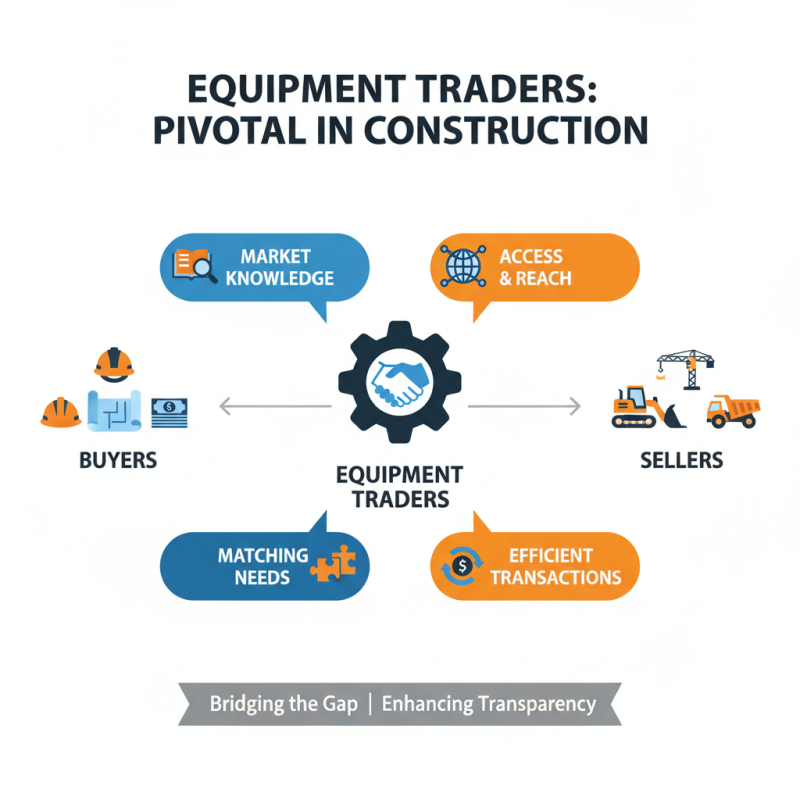
The role of equipment traders in the construction market is pivotal in facilitating transactions between buyers and sellers. These traders possess extensive knowledge of the equipment landscape, which allows them to bridge the gap between various market participants. They serve as intermediaries, ensuring that buyers have access to a wide range of machinery that meets their specific needs while simultaneously helping sellers reach a broader audience. By sourcing equipment from diverse locations and providing detailed insights into market trends, equipment traders enhance market efficiency, making the buying and selling process smoother and more transparent.
Furthermore, equipment traders contribute to the overall dynamics of the construction market by influencing pricing strategies and inventory management. Their expertise enables them to evaluate equipment conditions accurately, providing fair market valuations that benefit both parties involved in a transaction. As they navigate the complexities of supply and demand, equipment traders can help stabilize prices, preventing significant fluctuations that could disrupt business operations. This stability fosters a more predictable market environment, allowing contractors and construction companies to plan their investments with greater confidence. In essence, equipment traders function as vital players in the construction ecosystem, driving market fluidity and promoting healthy competition.
Key Benefits for Buyers When Utilizing an Equipment Trader
When navigating the complex landscape of construction equipment buying, utilizing an equipment trader can offer significant advantages.
For one, equipment traders typically have a vast inventory that showcases a diverse range of machinery, tools, and vehicles, often surpassing what individual sellers can offer.
This access allows buyers to compare products more readily and find equipment that fits their specific needs and budget.
The convenience of having multiple options under one roof saves time and effort, making the purchasing process more efficient.
Moreover, equipment traders often provide expert guidance and support throughout the buying journey.
Their experience in the industry equips them to answer questions about equipment specifications, material conditions, and pricing trends.
This can empower buyers to make informed decisions rather than relying solely on online research or vague recommendations.
Furthermore, traders might facilitate financing options or warranty plans that enhance the purchasing experience, ensuring buyers feel confident in their investments.
Overall, leveraging the resources and expertise of an equipment trader can lead to a more satisfactory and streamlined buying experience in the competitive construction market.
Advantages for Sellers in Partnering with Equipment Traders
Partnering with equipment traders provides significant advantages for sellers in the construction industry. One of the primary benefits is access to a wider market. Equipment traders typically have a robust network and marketing strategies that can effectively reach potential buyers more efficiently than sellers could on their own. This not only increases the visibility of the equipment being sold but also enhances the likelihood of completing a sale at a competitive price.
Additionally, working with equipment traders can streamline the selling process. Traders often possess in-depth knowledge of the equipment market and can offer valuable insights on pricing and trends. This expertise allows sellers to make informed decisions and optimizes their sales strategy. Further, equipment traders handle much of the administrative burden associated with selling, such as advertising, negotiations, and transaction paperwork, freeing sellers to focus on their core business activities. Overall, teaming up with equipment traders can lead to a more efficient and rewarding selling experience.
Streamlining Transactions: The Efficiency of Equipment Trading
In the construction industry, the efficiency of equipment trading plays a pivotal role in enhancing the overall transaction experience for both buyers and sellers. According to the Equipment Leasing and Finance Association, approximately 80% of construction businesses utilize some form of equipment financing or leasing. This trend indicates a growing reliance on streamlined processes that equipment traders provide, which can significantly minimize the time and effort associated with acquiring or disposing of machinery.
When it comes to buying or selling equipment, traditional methods often involve extensive research, negotiation, and paperwork. However, equipment traders simplify these processes by offering comprehensive services that include market analysis, valuation, and logistics support. A report from the Associated General Contractors of America highlights that effective equipment trading can reduce transaction times by up to 30%, allowing companies to focus on their core operations rather than getting bogged down in the complexities of equipment procurement. This efficiency is particularly crucial in the construction industry, where project deadlines and budgets are often tight.
Moreover, equipment trading platforms leverage technology to facilitate quicker connections between buyers and sellers. According to a survey by the National Association of the Rental Industry, 70% of companies reported that online marketplaces had improved their ability to find and sell equipment. By streamlining transactions through digital channels, equipment traders not only enhance market accessibility but also foster a competitive environment that can lead to better pricing and availability of construction machinery.
Understanding the Equipment Valuation Process Through Traders
When it comes to the construction equipment market, understanding the valuation process is crucial for both buyers and sellers. Equipment traders play a vital role in this process by providing expertise that helps define fair market value. They leverage comprehensive data analytics, market trends, and historical sales information to offer accurate assessments. This not only assists sellers in pricing their machinery competitively but also enables buyers to make informed decisions based on an equipment’s actual worth.
Moreover, a skilled trader will analyze various factors that influence equipment value, including age, condition, and market demand. By doing so, they can identify the best time to buy or sell, maximizing returns and minimizing losses. This detailed valuation process builds trust between parties involved, as both buyers and sellers gain confidence in the pricing and sourcing of equipment. Thus, engaging an equipment trader can significantly streamline the transaction process, making it advantageous for all parties in the construction industry.
Why Choose an Equipment Trader: Benefits for Buyers and Sellers in Construction - Understanding the Equipment Valuation Process Through Traders
| Aspect |
Buyers Benefits |
Sellers Benefits |
Valuation Process |
| Access to Diverse Inventory |
Wide selection of machinery to fit various project needs. |
Opportunity to showcase machinery to a larger audience. |
Traders offer comparative market analytics for accurate pricing. |
| Expert Guidance |
Professional advice on the right equipment choices. |
Market insights to maximize sale price of equipment. |
Traders evaluate equipment based on age, condition, and market demand. |
| Streamlined Transactions |
Simplified buying process with paperwork assistance. |
Faster sales with ready-to-buy clients. |
Traders provide transparent valuations and negotiation support. |
| Post-Sale Support |
Access to warranties and maintenance support. |
Ability to deal with returns or post-sale issues efficiently. |
Guidance through the resale process if necessary. |